Pterocaulon lanatum
Pterocaulon lanatum
Description
Pterocaulon lanatum is a perennial herbaceous plant belonging to the Asteraceae family. In an agricultural and botanical context, this species is recognized for its unique physiological adaptations that allow it to thrive in arid environments, as well as for its chemical profile that holds potential for specialized industries.
The plant is native to the Australian continent, where it occupies diverse habitats including tropical woodlands and open shrublands. It is well-adapted to warm climates, showing a high degree of tolerance to both prolonged heat and seasonal water shortages, which makes it a unique subject for studying drought-resistant plant models.
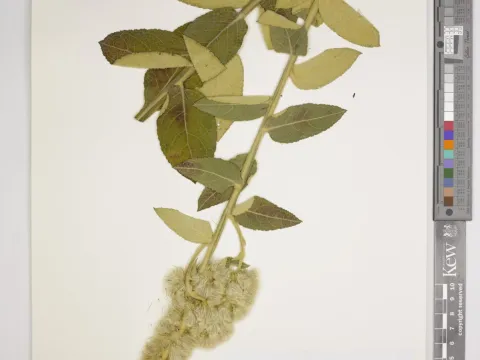
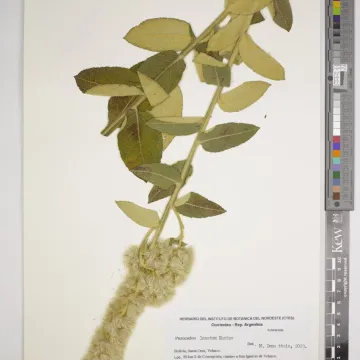
Botanically, the plant is characterized by a dense covering of woolly trichomes on its stems and foliage, which gives it a distinct appearance and provides protection against dehydration and intense sunlight. The flowers form dense, terminal clusters typical of the daisy family, contributing to its biological efficiency in pollination strategies.
Agricultural success with Pterocaulon lanatum depends on providing well-drained, sandy or gravelly soil substrates. It is essential to avoid over-irrigation, as excessive moisture often leads to root rot in this species. The plant thrives under full sun exposure and requires minimal fertilization, as it is evolved to survive in nutrient-poor conditions.
Economic applications for this crop are primarily focused on the extraction of essential oils and terpenoids. Recent studies highlight the potential use of its secondary metabolites in developing antimicrobial agents and natural preservatives. As interest in bioactive plant compounds grows, this species represents a sustainable resource for high-value botanical extracts.
- Exceptional drought tolerance
- Requires well-drained soil
- Thrives in full sun exposure
- High content of bioactive secondary metabolites
Photo gallery