Pterocymbium tinctorium
Pterocymbium tinctorium
Description
Pterocymbium tinctorium is a prominent tropical tree species belonging to the Malvaceae family. It is recognized for its straight, cylindrical trunk and deciduous nature, playing a significant role in the forest ecosystems of the tropical zones where it naturally thrives.
The native range of this species extends across Southeast Asia, including countries like India, Indonesia, and the Philippines. It is primarily found in lowland and hill forests, where it adapts well to environments characterized by a distinct wet and dry monsoon season, influencing its leaf-shedding patterns.
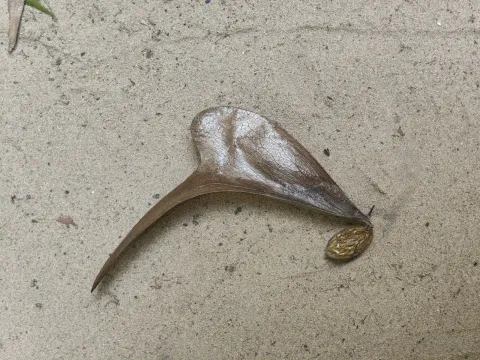
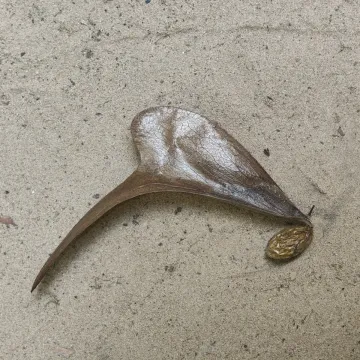
Botanically, the species is distinguished by its large, cordate leaves and inflorescences consisting of small, complex flowers. The fruits are notable for being winged, which is an evolutionary adaptation for wind dispersal, ensuring that the seeds can colonize new areas within the forest canopy.
Successful cultivation requires deep, well-drained loamy soils and ample exposure to sunlight. The species is relatively fast-growing when young, provided that competition from encroaching vegetation is managed. Silvicultural practices involve careful thinning to promote healthy trunk development and ensure sufficient aeration for the canopy.
The wood of Pterocymbium tinctorium is highly valued for its lightweight properties, making it suitable for plywood production, light construction, and internal finishing works.
- Common pests include wood-boring beetles.
- Fungal infections may occur in waterlogged soils.
- Regular pruning helps in maintaining timber quality.
Photo gallery