Pterogyne nitens
Pterogyne nitens
Description
Pterogyne nitens is a notable tree species belonging to the Fabaceae family. As a monotypic genus, it stands out in botanical classification due to its unique growth habits and environmental adaptations. The tree is primarily recognized for its high-quality timber and its ecological role in the dry tropical forests of South America.
The native distribution of this species spans across Brazil, Argentina, Paraguay, and Bolivia. It is well-adapted to savanna-like environments and tropical regions that experience distinct dry seasons. This natural resilience makes Pterogyne nitens a candidate of interest for reforestation projects aimed at restoring degraded tropical landscapes.
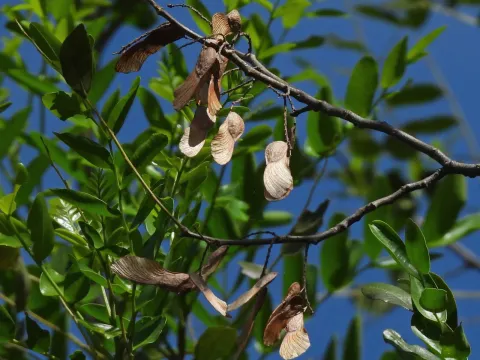
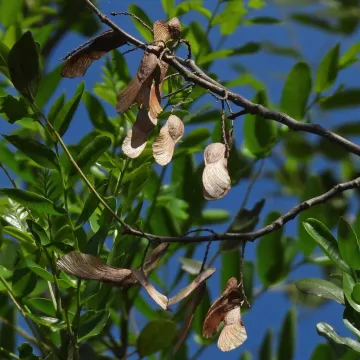
Botanically, it is a deciduous tree characterized by its pinnate, glossy leaves. The tree produces samara-like winged fruits, an evolutionary mechanism designed for wind-assisted seed dispersal. The timber produced by Pterogyne nitens is dense and durable, with a characteristic reddish hue that makes it highly sought after by woodworkers and furniture manufacturers.
Agricultural cultivation requires specific attention to soil drainage, as the species is sensitive to waterlogging. It thrives in sunny locations with well-aerated, slightly acidic soils. Proper management in the early stages of growth, including weeding and soil moisture monitoring, is crucial for ensuring the survival of saplings until they become fully established in the landscape.
The economic value of this culture lies primarily in its timber, which is utilized for fine furniture, interior flooring, and high-end cabinetry. Its resistance to decay adds to its market demand.
- Excellent workability for fine woodworking.
- Sustainable harvest potential in managed plantations.
- High aesthetic value due to wood grain and color.
Regarding health management, the tree can be susceptible to specific wood-boring insects and fungal pathogens that affect the root system. Integrated pest management strategies, such as maintaining appropriate planting density and monitoring for early signs of infestation, are essential to maintain the productivity and longevity of the plantation.
Photo gallery