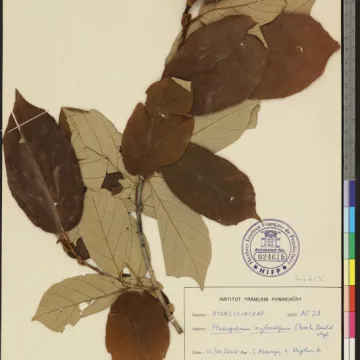

Pterospermum xylocarpum
Pterospermum xylocarpum
Description
Pterospermum xylocarpum is a prominent evergreen tree species belonging to the Malvaceae family. Recognized for its rapid growth rate and valuable timber, this plant serves as a vital component in tropical forestry management. It is widely regarded as a sustainable resource for wood production in regions with appropriate humid climatic conditions.
The species originates from the monsoon forest regions of South and Southeast Asia, including India and Myanmar. It thrives in tropical climates where consistent warmth and moderate-to-high rainfall support its year-round growth cycle. Due to its natural habitat, the tree exhibits a strong preference for well-drained soils, typically found on hillsides or near forest clearings.
Botanically, Pterospermum xylocarpum is distinguished by its robust, straight trunk and large, leathery leaves with a characteristic pubescence on the underside. Its most unique feature is the woody, dehiscent capsule fruit, which provides protection for the seeds during the dry season. The tree's overall architecture makes it highly efficient at capturing sunlight and accumulating biomass.
Successful cultivation requires careful site selection, prioritizing deep, fertile soils with efficient drainage to prevent root saturation. In plantation settings, young saplings require protective shading during the first few months of growth. Proper maintenance involves regular weeding and light thinning to ensure that individual trees have adequate space and light to reach their full potential.
In terms of economic utility, the timber of this species is highly valued for its strength, durability, and fine grain, making it ideal for high-quality furniture and interior construction. While the tree is generally hardy, growers must remain vigilant against potential leaf-eating insects and fungal infections that can occur during transition seasons.
- Excellent wood density and durability
- Rapid biomass accumulation potential
- Strong adaptability to various tropical soil types
- Positive impact on local soil stability
Photo gallery