Ptilostemon strictus
Ptilostemon strictus
Description
Ptilostemon strictus is a herbaceous perennial plant belonging to the Asteraceae family. Within the agricultural sector, this species is recognized as a niche crop with significant potential for medicinal extraction and specialized xeriscaping, valued for its hardiness and unique phytochemical profile.
The plant originates from Southeastern Europe, specifically thriving in the rugged terrain of the Balkan Peninsula. Its natural distribution is tied to rocky, calcareous slopes, which has shaped the plant’s evolution into a robust, drought-tolerant species capable of surviving in harsh environments.
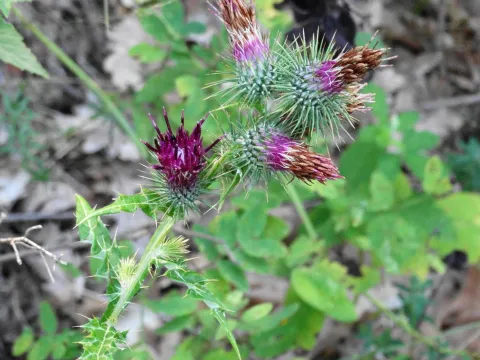
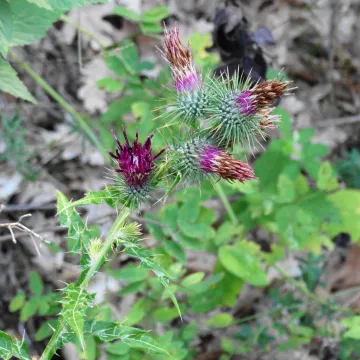
Botanically, the plant is characterized by its stiff, upright stems that grow up to one meter in height, and its distinctive, thistle-like flower heads. The foliage is typically lanceolate and possesses a fine pubescence, an evolutionary adaptation designed to reduce transpiration and maintain moisture during the arid summer months.
Agricultural requirements for this crop focus on soil drainage and high light intensity. It is essential to cultivate it in well-aerated, limestone-based soils; waterlogging must be strictly avoided, as the root system is highly susceptible to decay if kept in saturated conditions for extended periods.
The primary utility of the crop lies in its secondary metabolites used in pharmacological research and its role in sustainable, water-wise gardening. While generally resistant to pests, growers should monitor for potential infestations of aphids or mites during the active growth phase to ensure maximum yield and quality.
Photo gallery