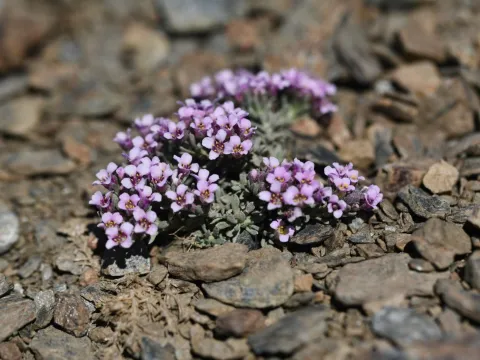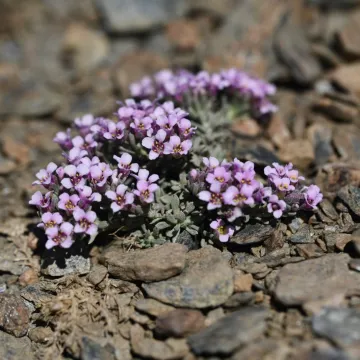
Ptilotrichum purpureum
Ptilotrichum purpureum
Description
Ptilotrichum purpureum is a perennial herbaceous plant belonging to the Brassicaceae family. Known for its compact habit and attractive coloration, it is highly regarded in horticultural circles for its ornamental value in rock gardens and landscapes where low-growing, durable species are required.
The species is native to mountainous regions of Southern Europe, specifically adapted to rocky slopes and high-altitude terrains. This geographical origin dictates its preference for well-drained, gritty substrates and its overall resilience to the harsh environmental conditions of its natural habitat.
Botanically, Ptilotrichum purpureum is characterized by its silver-grey foliage, which provides a neutral background for its vibrant, purple flowers. These blooms typically emerge in dense racemes, offering a significant visual impact during the flowering phase. The plant remains low to the ground, forming dense mats that help suppress weed growth in its vicinity.
Cultural requirements emphasize the importance of excellent drainage, as the species is susceptible to root rot if waterlogged. It thrives in poor, alkaline soils and requires full sun exposure to maintain its characteristic foliage density and promote maximum flowering. Standard maintenance includes occasional weeding and minimal fertilization.
While the plant is quite robust, gardeners should be aware of potential issues. Susceptibility to root rot is the primary concern in damp climates. Among pests, crucifer flea beetles are the most frequent challenge for members of the Brassicaceae family, and regular monitoring during the active growth season is recommended to ensure the plant's long-term health.
Photo gallery