King fern
Ptisana fraxinea
Description
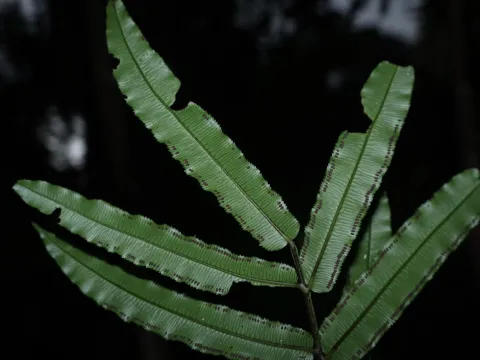
King fern (Ptisana fraxinea) is a massive, prehistoric-looking fern belonging to the Marattiaceae family. It is one of the most striking members of its genus, known for its thick, succulent stalks and enormous, arching fronds that can grow several meters in length. Often confused with cycads due to its sturdy appearance, it remains a favorite among botanical enthusiasts.
Originating from the tropical forests of Africa, Madagascar, and the Pacific islands, this species thrives in deep, humid shade. In its native environment, it occupies the forest floor, where it benefits from the nutrient-rich humus and constant atmospheric moisture. This evolutionary history dictates its specific needs in a controlled growing environment.
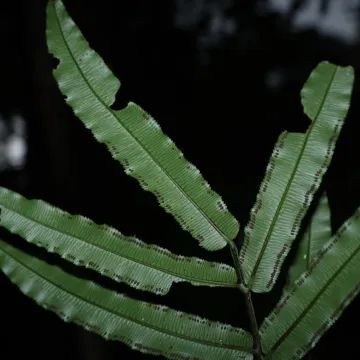
The botanical structure of Ptisana fraxinea is unique, featuring a large, fleshy rhizome that serves as a reservoir for water and minerals. The fronds are pinnate and display a lush, dark green color. A distinct feature of this genus is the presence of large, fleshy stipules at the base of the petiole, which offer protection and aid in moisture retention within the foliage structure.
Cultivation requires a focus on consistent environmental conditions. The plant demands a temperature range of 20°C to 28°C and thrives in high humidity (above 70%). The potting medium must be porous and organic, allowing for adequate drainage. Overwatering is the most significant danger, as it quickly leads to the decay of the succulent root system, which is highly susceptible to fungal pathogens.
Beyond its ornamental value, the plant is historically significant, as parts of the rhizome contain starch that has been used by indigenous populations as a food source after careful preparation. In greenhouse settings, the plant is susceptible to common pests like scale insects and spider mites. Maintaining good air circulation is essential to prevent leaf blight and other common fern ailments.
- Hardiness: Not frost-tolerant.
- Humidity requirements: Very high.
- Media type: Sphagnum, peat, and bark mix.
- Propagation: Often difficult, usually via spores or division.
Photo gallery