Ptychotis saxifraga
Ptychotis saxifraga
Description
Ptychotis saxifraga is a perennial herbaceous plant belonging to the Apiaceae family. Widely recognized for its intense aromatic properties, this species is cultivated primarily for its essential oils, which possess distinct chemical profiles often compared to other members of the celery family.
Originating from the Mediterranean region, the plant is naturally adapted to rocky habitats and well-drained slopes. Its evolutionary history has endowed it with significant resilience to drought and heat, allowing it to thrive in environments where many other crops would fail to establish.
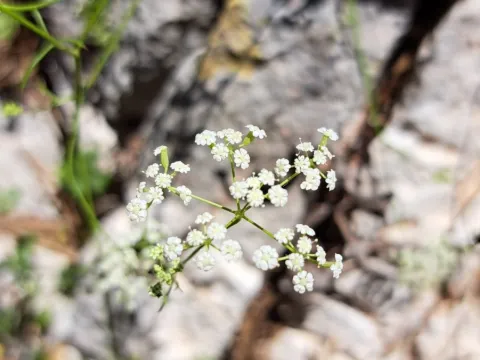
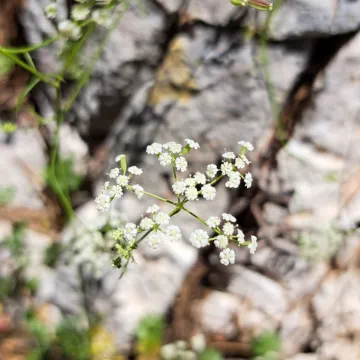
Botanically, the plant features finely divided, feathery foliage and delicate, compound umbels of white flowers. The seeds are small, ribbed schizocarps, which serve as the primary reservoir for the volatile compounds that make the plant commercially viable. The root system is robust and deep, facilitating nutrient uptake in mineral-rich, stony soils.
Cultivation requirements for Ptychotis saxifraga center on excellent soil drainage and high solar radiation. It performs best in calcareous, alkaline soils and is highly sensitive to waterlogging, which can rapidly lead to root decay. Successful farming involves meticulous weed control during the seedling stage, as the plant grows relatively slowly early in its development.
- Food industry: used as a traditional spice in specific regional cuisines.
- Phytopharmacology: research into its potential therapeutic properties.
- Essential oil extraction: base material for aromatic extracts.
- Horticulture: niche plant for dry, sunny garden rockeries.
Pest management for this crop is critical, with aphids and umbellifer miners being the most common threats. Disease prevention focuses on avoiding humidity-related issues, such as powdery mildew or damping-off, through appropriate spacing and strategic irrigation. Sustainable agricultural practices, including crop rotation, are essential for maintaining field health.
Photo gallery