
Pueraria thomsonii
Pueraria thomsonii
Description
Pueraria thomsonii is a perennial climbing vine belonging to the Fabaceae family, widely recognized for its agricultural value in producing starchy tubers. Unlike other members of the genus, this specific species is extensively cultivated for food, medicinal, and industrial purposes due to its high starch yield and concentration of active isoflavonoids.
The plant is native to the tropical and subtropical regions of Southeast Asia, particularly southern China and neighboring countries. Its cultivation has expanded across similar climates globally where long, warm growing seasons allow the plant to maximize the development of its substantial, nutrient-dense tuberous root system.
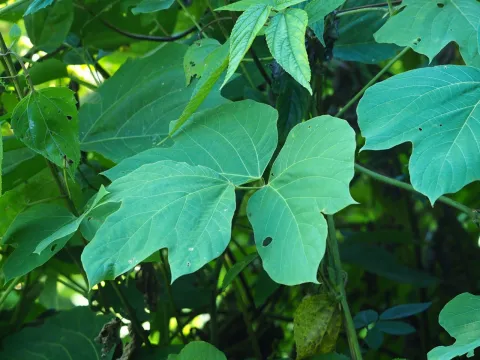
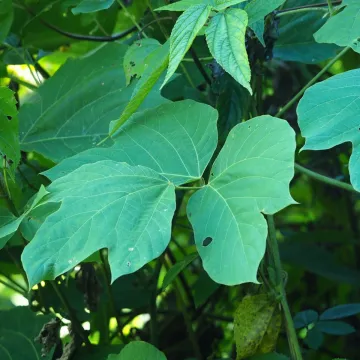
Botanically, the plant is characterized by trifoliate leaves and vigorous growth habits. The stems can reach several meters in length, using supporting structures to climb. The root system is the primary economic component, often growing quite large and fleshy, containing high levels of complex carbohydrates and bioactive compounds that are highly sought after in modern health industries.
In terms of agronomy, Pueraria thomsonii thrives in well-drained, fertile, loamy soils with optimal moisture levels. It is sensitive to waterlogging, which can cause root rot. Successful cultivation requires a warm climate with consistent rainfall during the vegetative growth phase and adequate space to allow for both root expansion and vine proliferation.
The economic and industrial applications of Pueraria thomsonii include:
- Extraction of high-quality vegetable starch for culinary use.
- Production of botanical supplements and pharmacological compounds (isoflavones).
- Utilization of green biomass for forage and livestock silage.
- Soil conservation and erosion control on sloping agricultural lands.
Common agricultural challenges involve the management of pests such as leaf-feeding larvae and spider mites, which can impact photosynthesis. Fungal pathogens affecting the roots pose the greatest risk, necessitating strict soil moisture management and the use of well-drained planting beds to maintain crop health throughout the growing cycle.
Photo gallery