Unspotted lungwort
Pulmonaria obscura
Description
Unspotted lungwort, scientifically known as Pulmonaria obscura, is a perennial herbaceous plant belonging to the Boraginaceae family. While primarily known for its role in forest ecosystems, it is also cultivated for its medicinal properties and as an important early-season source of nectar for honeybees.
The plant originates from European and Western Asian woodlands, thriving in shaded environments with high humidity. When cultivating this species, it is crucial to replicate its natural habitat by providing sufficient shade and moisture, which prevents the leaf desiccation often seen in improper site selection.
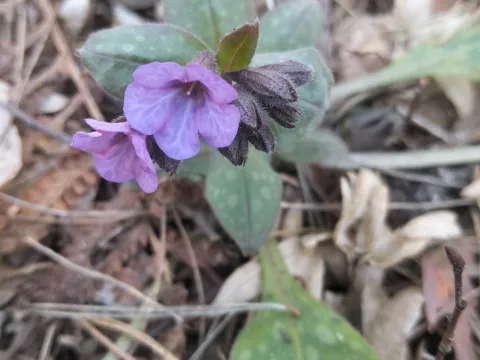
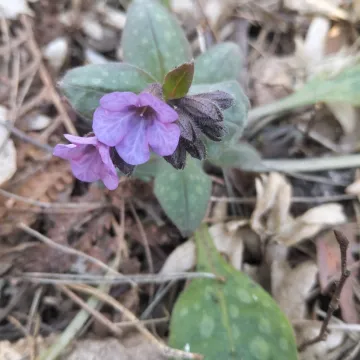
Botanically, the species is distinguished by its fibrous root system and the unique color-changing mechanism of its flowers, which shift from pink to blue as they mature. The leaves often have a rough texture and, unlike some other species in the genus, are usually uniformly green, lacking the distinct white mottling of its relatives.
Agricultural management of Pulmonaria obscura focuses on soil fertility and irrigation control. It performs best in nutrient-rich, well-draining soils that maintain moisture without becoming waterlogged. Propagation is primarily achieved through rhizome division during the late summer dormancy period, ensuring that the plant establishes well before the first frost.
In terms of хозяйственного usage, it is highly valued in apiculture and as a source of compounds for traditional and modern medicine. Common issues include powdery mildew infections and pest damage from slugs or snails. Effective control measures usually involve mulch management and ensuring adequate air circulation around the plants to reduce humidity-related disease outbreaks.
Photo gallery