Styrian lungwort
Pulmonaria stiriaca
Description
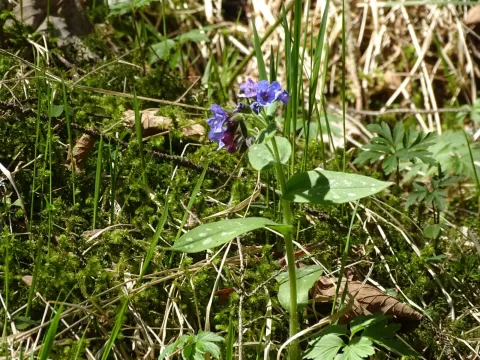
Styrian lungwort (Pulmonaria stiriaca) is a perennial herbaceous plant belonging to the Boraginaceae family. This ornamental crop is highly valued in horticulture for its early spring blooms and attractive foliage, which maintains its decorative appeal throughout the entire growing season.
The species originates from the forest regions of Central Europe, specifically the Styrian region. As a cultivated plant, it is recognized for its shade tolerance and adaptability to temperate climates, making it a popular choice for woodland gardens and shaded landscape areas.
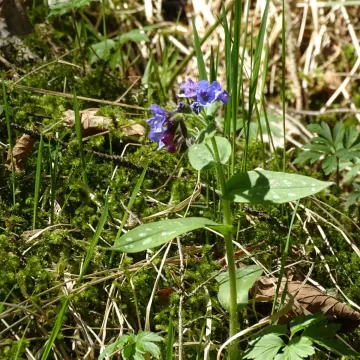
Botanically, it is a rhizomatous perennial that forms a rosette of leaves, often characterized by distinct white spotting. The inflorescences emerge in early spring, and the flowers undergo a color shift from pink to blue or purple as they mature, which is a physiological response to changes in cell sap pH.
Cultivation requirements dictate that the plant be placed in partial or full shade, as direct sunlight often leads to leaf scorch and soil desiccation. The soil should be fertile, well-draining, and consistently moist with a neutral or slightly acidic pH to support optimal growth and prevent rhizome decay.
The primary use of Styrian lungwort is in ornamental landscaping, particularly as a groundcover for shady spots or as an understory plant in shaded garden beds. While generally resistant to major pests, the plant may suffer from powdery mildew or root rots if the site lacks proper air circulation or suffers from waterlogging. Maintaining good hygiene in the garden bed is essential for plant health.
Photo gallery