Dahurian pasqueflower
Pulsatilla dahurica
Description
The Dahurian pasqueflower, or Pulsatilla dahurica, is a perennial herbaceous plant belonging to the Ranunculaceae family. It is widely recognized for its early spring blooming and is a valuable species in both ornamental horticulture and traditional herbal medicine practices.
The native range of this species extends across Eastern Siberia, the Russian Far East, and parts of Northern China and Mongolia. It is well-adapted to harsh continental climates, demonstrating significant resilience against cold temperatures and dry environmental conditions throughout its life cycle.
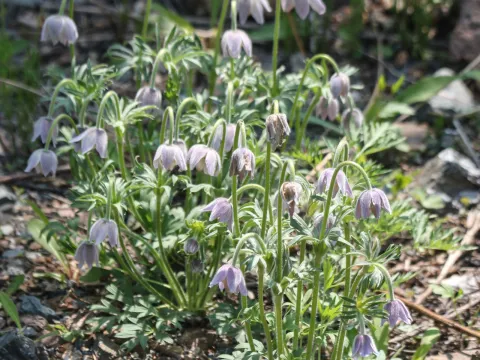
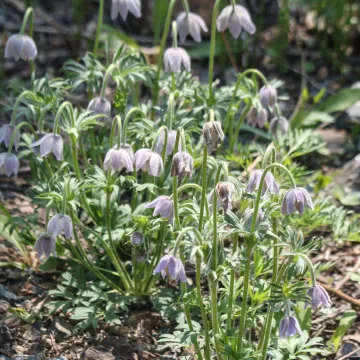
Botanically, the plant is characterized by densely pubescent foliage and stems, which act as a natural defense mechanism against moisture loss. Its flowers are typically bell-shaped, displaying vibrant violet or purple colors that provide early seasonal nectar for pollinators in its native habitat.
Agronomic requirements for this crop include well-draining, sandy, or rocky soil with a neutral to slightly alkaline pH level. Pulsatilla dahurica thrives in sunny locations with good air circulation and is extremely intolerant to waterlogged soils, which significantly increases the risk of root rot pathogens.
In practice, the plant is highly valued for xeriscaping and rock gardens due to its low maintenance needs after establishment. While generally robust, growers must monitor for fungal diseases associated with excessive moisture and protect the root system from mechanical damage during the transplantation process.
- Requires well-drained substrate to prevent root rot.
- High tolerance for cold, wind, and low nutrient soils.
- Prefers open, full-sun exposure for maximum flowering.
- Propagation primarily via fresh seeds which require stratification.
Photo gallery