Eastern pasqueflower
Pulsatilla patens
Description
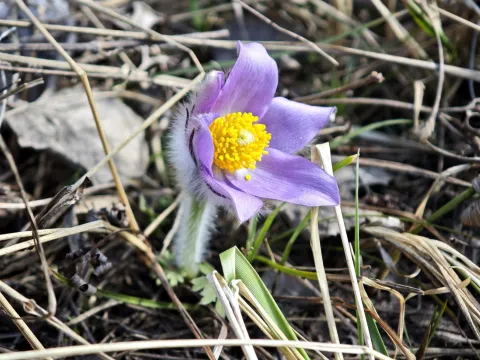
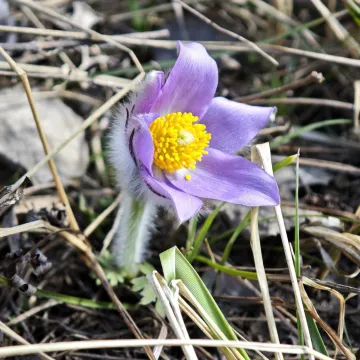
The Eastern pasqueflower (Pulsatilla patens) is a perennial herbaceous plant belonging to the Ranunculaceae family. It is widely recognized in horticultural circles for its unique early-spring flowering and high cold hardiness, making it a valuable addition to northern landscapes and botanical collections.
The native range of this species extends across the temperate zones of Europe, Siberia, and North America. It naturally thrives in open, sun-exposed habitats, particularly on dry, sandy soils and in sparse forest margins where light competition is minimal.
Botanically, the plant is characterized by a dense, silken pubescence that provides thermal insulation against fluctuating spring temperatures. It possesses a deep taproot, which allows the plant to access moisture in dry substrates and renders it highly resistant to drought once established, though it is notoriously sensitive to root disturbance.
Successful cultivation requires well-draining, slightly alkaline or neutral soils. It is crucial to avoid sites prone to waterlogging, as the species is highly susceptible to root decay. Propagation is typically achieved through seed, which requires cold stratification, making late-autumn sowing the preferred agronomic practice for optimal germination.
In addition to its decorative use in rock gardens, the species has a historical significance in traditional medicine, although it is considered toxic. Cultivation challenges primarily include fungal pathogens like powdery mildew and various soil-borne rots, which are usually triggered by improper moisture management or poor soil aeration.
Photo gallery