Pasqueflower
Pulsatilla vulgaris
Description
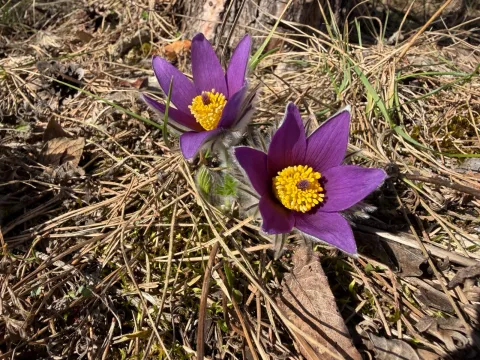
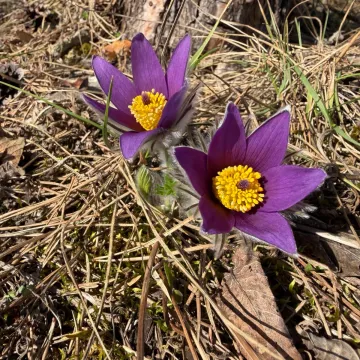
Pasqueflower (Latin: Pulsatilla vulgaris) is a herbaceous perennial plant belonging to the Ranunculaceae family. In agricultural and horticultural contexts, it is recognized as a high-value ornamental crop, prized for its early spring blooms and distinctive silvery-hairy foliage that provides significant aesthetic appeal.
The plant originates from European regions, primarily thriving in grasslands and limestone-rich slopes. It is naturally adapted to habitats with high sunlight exposure and free-draining soils. Today, it is widely cultivated in temperate gardens across the Northern Hemisphere, where it is utilized for its exceptional winter hardiness and drought tolerance once established.
Botanically, the plant develops a deep taproot, which is a critical feature for its survival in nutrient-poor, dry conditions. The foliage is finely dissected and covered in soft, silken hairs, which offer protection against cold temperatures. The flowers are solitary, bell-shaped, and appear in various shades of violet and purple, followed by attractive feathery seed heads that add interest throughout the summer.
For successful cultivation, the crop requires specific environmental conditions. It demands well-drained, neutral to alkaline soil with a low organic content. The primary agronomic practice involves minimizing soil moisture during winter dormancy to prevent root rot. Propagation is primarily achieved through seeds, as the plant dislikes root disturbance due to its sensitive, deep-reaching root system.
The main commercial and hobbyist use of this crop is in landscape design, particularly for rock gardens, gravel beds, and borders. While generally robust, the plant can be susceptible to certain issues if managed incorrectly:
- Root rot caused by poor drainage.
- Powdery mildew in overcrowded planting conditions.
- Damage from slugs and snails in early spring.
Photo gallery