Hairy Bush Pea
Pultenaea villosa
Description
Hairy Bush Pea (Pultenaea villosa) is a member of the Fabaceae family, widely recognized for its ornamental value and resilience as a perennial evergreen shrub. This species is native to the eastern parts of Australia, where it thrives in coastal forests and heathlands. It is a key species in maintaining biodiversity and providing habitat for native fauna in its natural range.
The origin of this culture is strictly associated with the temperate and subtropical zones of Australia. Its distribution area encompasses diverse soil types, ranging from sandy loams to rocky outcrops. In modern horticultural and agricultural practices, it is valued for its ability to stabilize soil and its aesthetic contribution to wild-style landscaping projects.
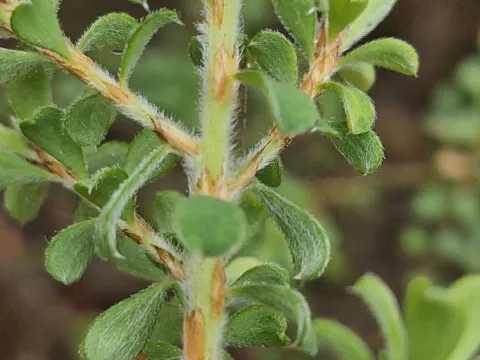
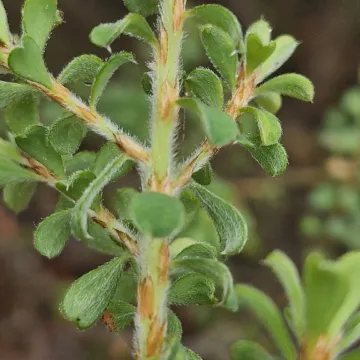
Botanically, Pultenaea villosa is characterized by dense, villous (hairy) stems and foliage, which serves as a protective adaptation against excessive transpiration. The leaves are small and often crowded along the branches. The plant produces vibrant yellow and orange pea-shaped flowers that appear in clusters at the ends of branchlets, typically blooming during the spring season.
The agrotechnical requirements for growing this shrub involve providing well-draining soil and ample sunlight. It is sensitive to waterlogged conditions, which can lead to fungal pathogens, so site preparation must prioritize drainage. It is generally adapted to low-nutrient soils, meaning that excessive fertilizing should be avoided as it can inhibit healthy growth and cause premature senescence.
Regarding its utility, the Hairy Bush Pea is primarily cultivated as an ornamental plant for gardens and public landscapes. Potential pests include scale insects and aphids, which can be managed through careful observation and targeted biological control. Diseases such as root rot are the primary concern, making proper irrigation management essential for long-term health and vitality of the plantation.
Photo gallery