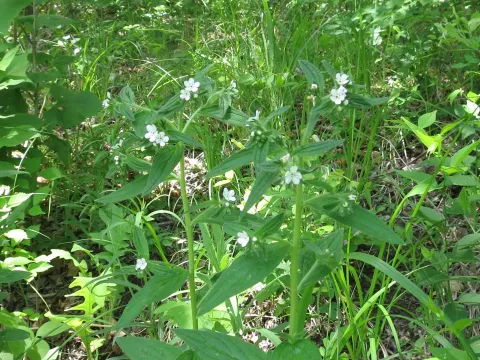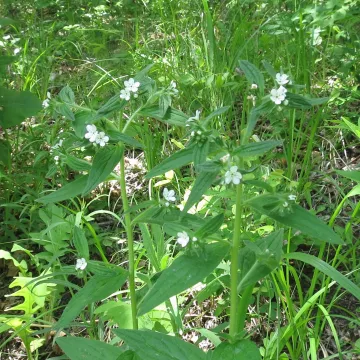
Red-root gromwell
Lithospermum erythrorhizon Siebold & Zucc.
Description
Red-root gromwell (Lithospermum erythrorhizon) is a prominent herbaceous perennial belonging to the Boraginaceae family. Native to East Asia, including Japan, China, and Korea, this plant has been cultivated for centuries, primarily valued for its specialized root system used in various industrial and medicinal applications.
The plant grows to a height of 60–80 cm, featuring stems covered in fine, bristly hairs and lanceolate leaves. Its most distinctive characteristic is the deep, fleshy, and intensely red-colored taproot. The root contains high concentrations of shikonin, a naturally occurring red pigment with significant therapeutic potential.
For successful cultivation, red-root gromwell requires well-drained, fertile soil, ideally sandy loam with a neutral pH level. It thrives in temperate climates with ample sunlight. Farmers must avoid heavy or waterlogged soils, as excessive moisture often leads to root rot, which is the most common pathology affecting the yield quality.
Agricultural management involves careful seed preparation, often requiring cold stratification to break dormancy. Weed control is essential during the establishment phase, as the plant grows relatively slowly. Regular fertilization with phosphorus and potassium promotes root development, which is critical for maximizing the active ingredient content upon harvest, typically scheduled for the third year.
The primary utility of the crop lies in the pharmaceutical and cosmetic industries. Shikonin derivatives are widely recognized for their potent anti-inflammatory, antimicrobial, and skin-healing properties. Additionally, the dried roots are used as a traditional textile dye, providing a deep, stable red hue for high-quality fabrics.
- Anti-inflammatory benefits
- Natural pigment production
- Dermatological skincare
- Traditional textile dyeing
Photo gallery