Desert bitterbrush
Purshia glandulosa
Description
Desert bitterbrush (Purshia glandulosa) is a woody shrub belonging to the Rosaceae family. This resilient plant is an essential component of the vegetation in arid regions, playing a vital role in maintaining the ecological balance of desert and shrubland habitats.
The plant is native to the southwestern United States and northern Mexico, where it thrives in environments characterized by long, hot, dry summers and cool, snowy winters. It is commonly found in mountainous terrains and high-desert landscapes, typically growing in rocky or sandy soils that drain quickly after precipitation.
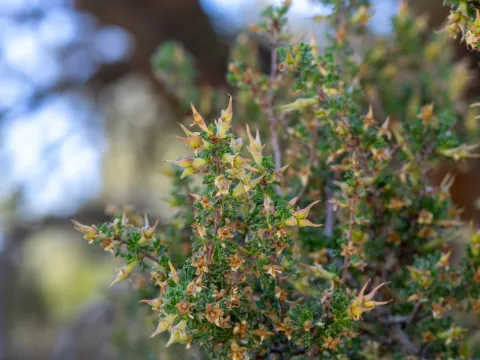
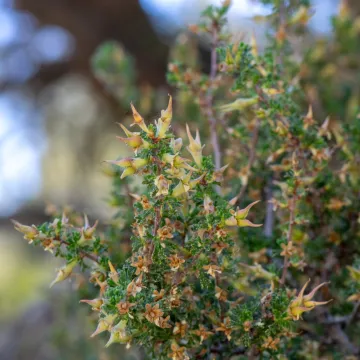
Botanically, Purshia glandulosa is distinguished by its small, glandular, resinous leaves that provide a distinct aromatic quality. The flowers are typically solitary and range in color from pale cream to yellow, providing a crucial early-season nectar source for native bees and other pollinators. The plant is noted for its slow-growing, compact habit, which allows it to withstand high winds and harsh conditions.
From an agricultural perspective, the plant requires very little intervention, provided it is planted in well-drained, alkaline or neutral soils. It is highly intolerant of waterlogged conditions and heavy clay, which can lead to root rot. Drought tolerance is its most significant feature, established through a deep root system that accesses moisture far below the soil surface, minimizing the need for supplemental irrigation.
The primary use of desert bitterbrush is in land reclamation and erosion control, as its deep roots help stabilize slopes in arid ecosystems. It is also an important browse species for wildlife, particularly mule deer and bighorn sheep. In modern horticulture, it is increasingly used in xeriscaping and sustainable landscapes where low-maintenance, water-wise plant material is required.
- Extreme drought and heat tolerance.
- Natural nitrogen fixation in the soil.
- Low maintenance requirements for established plantings.
- Critical wildlife habitat and food source.
Photo gallery