Putranjiva roxburghii
Putranjiva roxburghii
Description
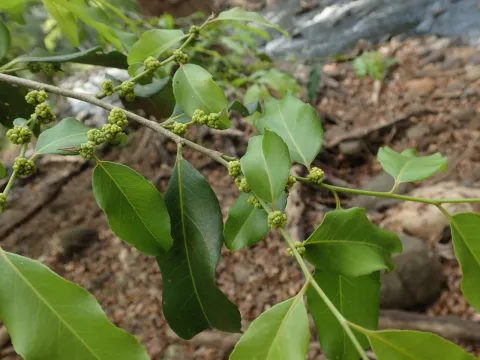
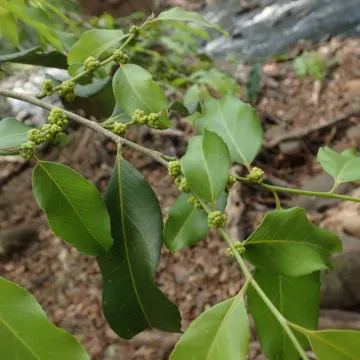
Putranjiva roxburghii is a distinguished evergreen tree species belonging to the Putranjivaceae family. Known for its drooping branches and glossy, leathery leaves, it is often cultivated as an ornamental shade tree in tropical landscapes throughout Asia.
The tree is native to the Indian subcontinent and parts of Southeast Asia. It thrives in tropical climates characterized by warm temperatures and consistent rainfall, although it is hardy enough to adapt to various soil types, ranging from sandy loams to heavier clay-based soils, provided they offer adequate drainage.
Botanically, the plant is dioecious, meaning it bears separate male and female flowers. The fruits are small, globose drupes that turn a creamy-white or pale yellow color upon maturity. The tree's overall architecture is naturally symmetrical, making it a popular choice for structured landscape designs and large garden avenues.
Cultivation requirements involve ensuring full sun exposure to light shade and deep, fertile soil. While mature trees demonstrate significant drought tolerance, young saplings require supplemental irrigation to establish a robust root system. Regular pruning is minimal, as the tree maintains a graceful, naturally weeping habit without human intervention.
The economic value of this culture is diverse and significant:
- Use of wood in construction and tool manufacturing.
- Crafting of traditional beads and prayer necklaces from hard seeds.
- Application in traditional medicine for its anti-inflammatory properties.
Photo gallery