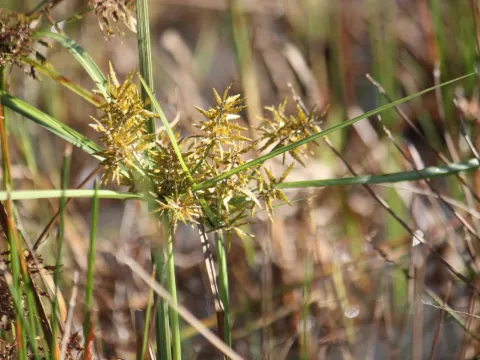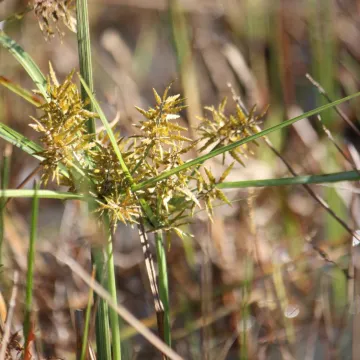
Pycreus tremulus
Pycreus tremulus
Description
Pycreus tremulus is a perennial herbaceous plant belonging to the Cyperaceae family. Within agricultural and botanical studies, it is recognized as a significant wetland species, perfectly adapted to environments with high moisture levels and periodic waterlogging.
The plant originates from tropical and subtropical regions, with its primary distribution centered in Africa and parts of Asia. It thrives in swampy areas, riverbanks, and floodplains, occupying ecological niches that are typically unsuitable for traditional crops due to constant soil saturation.
Botanically, Pycreus tremulus is characterized by its slender, erect stems and distinct, airy inflorescences. The term "tremulus" refers to the way the flower heads appear to tremble or shake with the slightest breeze. Its root system is fibrous and dense, playing a crucial role in soil stabilization and preventing erosion in riparian zones.
Agronomic requirements are heavily focused on water management. The plant does not tolerate drought and requires waterlogged or saturated soil conditions for optimal growth. It is best suited for clay or silty soils rich in organic matter. Sufficient exposure to sunlight is essential for maintaining vigorous development and high biomass productivity.
The primary directions for its agricultural and economic use include:
- Forage production for livestock grazing in wet meadow environments.
- Environmental engineering for phytoremediation and waste-water treatment systems.
- Erosion control and shoreline stabilization for agricultural drainage networks.
Regarding health management, the plant is susceptible to fungal infections when water circulation is poor and stagnant. Common pests include various aquatic insects and mollusks that may feed on the tender foliage. In most cases, natural ecological balance is sufficient to maintain the health of Pycreus tremulus stands without the need for intensive chemical applications.
Photo gallery