Norwegian wintergreen
Pyrola norvegica
Description
Norwegian wintergreen (Pyrola norvegica) is a perennial herbaceous plant classified within the Ericaceae family. It is a boreal species that has developed significant resistance to low temperatures and nutrient-poor, acidic soils, distinguishing it from related southern species.
The native distribution area of Pyrola norvegica stretches across the Arctic and sub-Arctic zones, notably in Northern Europe and North America. It predominantly inhabits boreal forests, heathlands, and damp, moss-covered ground where the microclimate remains cool throughout the summer.
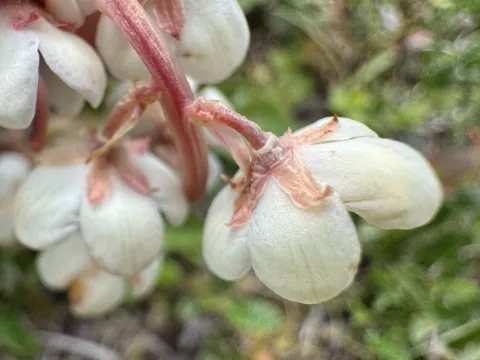
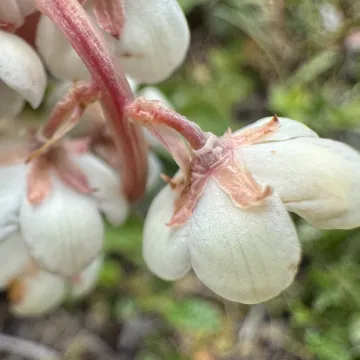
Botanically, the plant features basal rosettes of evergreen, leathery leaves and upright flowering stems. The flowers are generally nodding and bell-shaped, adapted for pollination in windy, cold environments. Its root system is delicate and relies heavily on complex soil mycorrhiza for mineral uptake.
Cultivation requirements are strict: the plant necessitates highly acidic, moist, well-draining soil with a high organic content. It does not tolerate heat stress or direct sunlight, making it difficult to propagate outside of its specialized forest-like environment. Mulching is recommended to protect the root zone.
The economic utilization of Norwegian wintergreen is focused on the herbal and pharmaceutical sectors. Its leaves are known to contain bioactive compounds with potential anti-inflammatory applications. Although it is not a mass-produced agricultural commodity, it is highly regarded in niche research and botanical collections.
- Preference for acidic soil (pH 4-5.5).
- Symbiotic dependence on forest fungi.
- Frost resistance due to wintergreen leaves.
Photo gallery