Heart-shaped pear
Pyrus cordata
Description
The heart-shaped pear (lat. Pyrus cordata) is a deciduous tree species belonging to the Rosaceae family. Unlike commercial varieties, this wild pear is primarily recognized in the agricultural sector as a resilient biological resource rather than a direct food source, providing unique genetic traits for modern plant breeding.
The origin of this species is traced to Western Europe, including France, Spain, and Portugal. It naturally occurs in forest margins and scrublands, having adapted to Mediterranean and Atlantic climate conditions. This evolutionary background makes the species highly tolerant of various environmental stresses, distinguishing it from more sensitive cultivars.
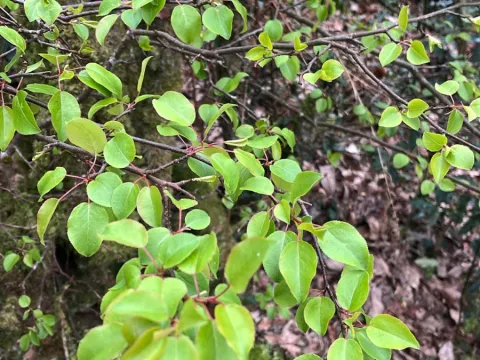
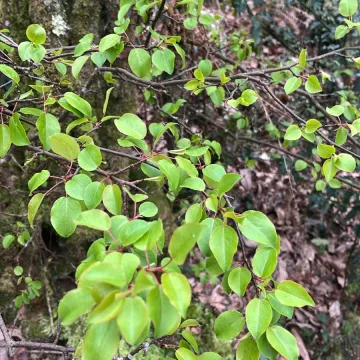
Botanically, the species is identified by its small, distinctively heart-shaped leaves and modest, rounded fruit. The tree typically develops a dense crown, reaching a moderate height, which makes it aesthetically pleasing for ecological restoration projects. Its flowers appear in the spring, forming clusters that are highly attractive to pollinators in the wild.
In terms of cultivation, Pyrus cordata prefers well-drained, fertile soils with adequate access to sunlight. While it is rarely grown for fruit production, its agrotechnical value is immense. It is frequently employed as rootstock, where its vigorous root system enhances the growth, stability, and disease resistance of grafted commercial pear varieties.
- Superior compatibility with diverse pear scion varieties.
- High natural resistance to soil-borne pathogens.
- Excellent tolerance to drought and moisture fluctuations.
- Valuable genetic source for developing dwarf pear rootstocks.
The primary хозяйственное (economic) use of the heart-shaped pear lies in its contribution to agricultural science. By serving as a robust base for grafting, it allows producers to maintain orchard health while reducing the need for chemical inputs. Furthermore, it is utilized in landscape architecture for its durability and as a reliable component of sustainable agroforestry systems.
Photo gallery