Cosson pear
Pyrus cossonii
Description
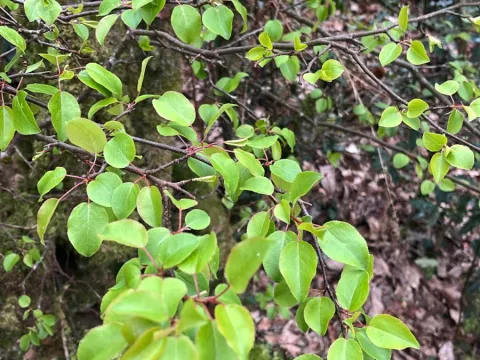
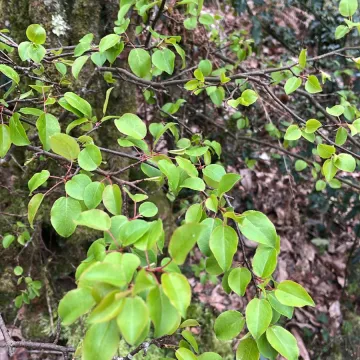
The Cosson pear (Pyrus cossonii) is a distinct plant species belonging to the genus Pyrus within the Rosaceae family. It is recognized as a wild relative of the common pear, holding significant value for botanical research and germplasm conservation. The plant typically presents as a small to medium-sized tree, well-adapted to the challenging environmental conditions of its natural habitat.
The origin of Pyrus cossonii is traced back to the mountainous regions of North Africa, particularly Algeria. It has evolved to thrive in Mediterranean climate conditions, characterized by long, dry summers and relatively mild winters. Its distribution is quite restricted, making it a focus for conservationists interested in the genetic diversity of the Pyrus genus in arid environments.
Botanically, this species is noted for its resilience and morphological adaptations to high heat and low water availability. The leaves are often coriaceous, showing features of sclerophylly, which helps the tree minimize transpirational water loss. The fruits are generally smaller than those of domesticated varieties and serve as a survival mechanism in harsh, rocky terrains where soil depth is limited.
Cultivation requirements for the Cosson pear focus on well-drained, porous soils, ideally with an alkaline or limestone composition. It thrives in locations with high sunlight exposure and requires very little intervention in terms of irrigation once established. While it is hardy, it is primarily valued for its potential in breeding programs rather than as a commercial fruit-producing crop for direct consumption.
The utilization of Pyrus cossonii is largely centered on its genetic contribution to modern horticulture, providing resistance traits against abiotic stressors such as drought and extreme heat. Potential risks and common plant health issues include:
- Scab disease (Venturia pyrina), which may appear in wetter microclimates.
- Insects such as aphids, which can infest the succulent new growth during spring.
- Fire blight (Erwinia amylovora), necessitating careful sanitary monitoring.
- Mite infestations that can affect foliage health during the peak of the dry season.
Photo gallery