Pyrus pashia
Pyrus pashia
Description
Pyrus pashia, commonly known as the Himalayan pear, is a deciduous tree species belonging to the Rosaceae family. It is a robust plant that can grow to significant heights, acting as an important wild relative of the commercial pear. Its evolutionary history is deeply rooted in the mountainous regions of Asia, where it has adapted to diverse and harsh environmental conditions.
The native distribution area of Pyrus pashia stretches from the Himalayas through Pakistan, India, Nepal, and into parts of China. This tree is highly regarded for its adaptability to high altitudes, often found growing in temperate zones where temperature fluctuations are extreme. Its presence in these regions highlights its inherent resilience and ability to thrive in varied soil compositions.
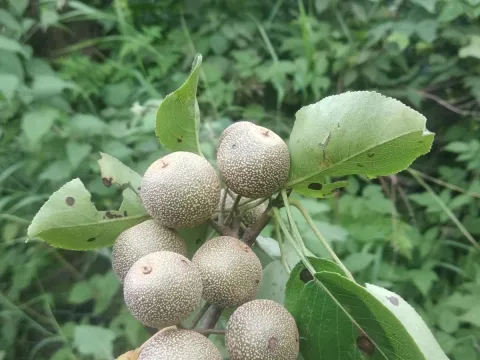
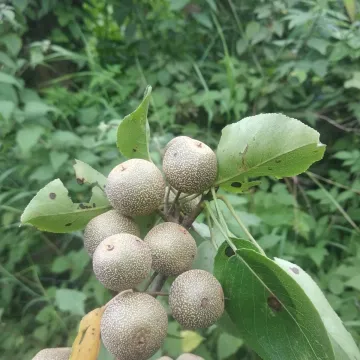
Botanically, Pyrus pashia is characterized by its serrated leaves, clusters of white to creamy-white blossoms, and small, globose or pyriform fruits. The fruits are typically astringent when unripe and contain high levels of fiber, making them more suitable for local processing rather than fresh consumption. The tree's root system is exceptionally strong, allowing it to anchor securely in rocky or sloping terrain.
Cultivation requirements for this species are relatively low compared to commercial cultivars. It prefers well-drained, fertile soil but demonstrates remarkable tolerance for poor, dry soils. Agronomic practices include periodic pruning to maintain tree shape and management of light levels, as the species thrives in open, sunny locations. Due to its drought resistance, it is a low-maintenance option for specific orchard projects.
In agricultural settings, Pyrus pashia is primarily utilized as a vigorous rootstock for grafting superior pear varieties. It provides the scion with enhanced resistance to soil-borne pathogens and environmental stress. While the tree is generally hardy, it can be susceptible to common orchard pests such as aphids and fungal diseases like scab. Integrated pest management strategies are recommended to maintain tree health and graft success.
Photo gallery