Brown-fruited pear
Pyrus phaeocarpa
Description
The brown-fruited pear (Pyrus phaeocarpa) is a distinct species within the Rosaceae family. Native to the temperate regions of China, this tree is highly valued by botanists and pomologists for its genetic robustness. As a deciduous tree, it is known for its ability to thrive in environments that challenge many more sensitive fruit-bearing species.
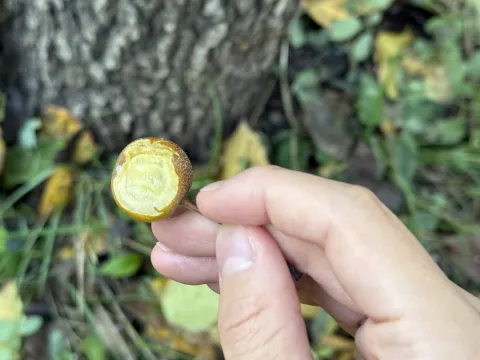
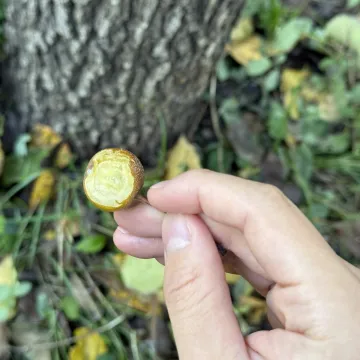
Botanically, Pyrus phaeocarpa displays specific morphological traits, including a well-structured crown and thick, leathery leaves that help the tree endure varying seasonal temperatures. The fruits are typically brownish when fully ripe, a distinguishing feature that gives the species its name. It is a resilient organism that contributes significantly to the diversity of the genus Pyrus in East Asian ecosystems.
Regarding climate and soil, this pear prefers well-drained, fertile soil types such as loam or sandy loam. It exhibits excellent cold hardiness, making it suitable for regions with harsh, freezing winters. Consistent sunlight is essential for optimal growth, while proper soil drainage prevents root rot, which is a critical aspect of successful cultivation in both commercial and research orchards.
Agronomic management for this species is relatively straightforward but requires attention to detail:
- Regular pruning to maintain tree structure and improve airflow.
- Strategic fertilization to ensure vigorous seasonal growth.
- Pest monitoring for insects such as aphids or pear psylla.
- Proactive disease management against common fungal infections.
The primary agricultural use of Pyrus phaeocarpa is within breeding programs and as a rootstock. Its inherent resistance to environmental stressors makes it an ideal candidate for grafting high-quality pear cultivars. Although the fruit itself is rarely consumed as a fresh dessert crop due to its texture and flavor profile, it holds significant potential for technical processing and remains a vital resource for genetic research and biodiversity conservation.
Photo gallery