Willow-leaved pear
Pyrus salicifolia
Description
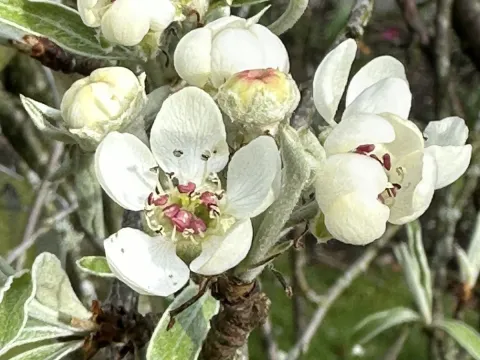
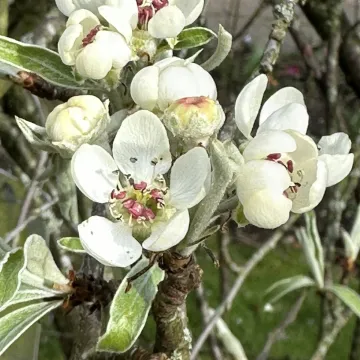
The willow-leaved pear (Latin: Pyrus salicifolia) is a deciduous tree or large shrub belonging to the Rosaceae family. It is widely recognized for its elegant, silvery-grey foliage that closely resembles the leaves of a willow tree. The tree typically reaches a height of 8 to 10 meters and is characterized by its graceful, pendulous branches which create an attractive aesthetic profile.
Native to Western Asia, including the Caucasus, Turkey, and Iran, this species has evolved to survive in semi-arid and mountainous environments. While it produces small, hard fruits that are generally unpalatable, the tree is highly valued for its aesthetic contribution to gardens and its significant utility in agricultural research, particularly as a hardy rootstock for commercial pear cultivars.
In terms of climate, the willow-leaved pear is exceptionally hardy and drought-tolerant. It thrives in open, sun-drenched locations where its silver foliage can fully reflect sunlight. While it is tolerant of low temperatures, it prefers well-ventilated areas to prevent the build-up of excess humidity, which can be detrimental to its overall health in more temperate zones.
The tree is remarkably adaptable to soil conditions, showing a high tolerance for poor, rocky, and slightly saline soils. However, the one non-negotiable requirement for Pyrus salicifolia is excellent soil drainage. Waterlogged soils can quickly lead to root rot, which is the primary cause of decline for this otherwise robust tree species in improper cultivation settings.
Key aspects of agricultural and landscape management include:
- Strategic use in xeriscaping and drought-prone landscape designs.
- Propagation primarily via seed or grafting onto related Pyrus rootstocks.
- Routine spring pruning to maintain the desired crown shape.
- Monitoring for common Rosaceae pests, such as aphids and scale insects.
Common phytopathological threats include scab and fire blight, especially in regions with high seasonal humidity. Effective management of these diseases involves selecting disease-resistant planting sites and applying appropriate fungicides during the growing season to protect the tree’s unique foliage and overall vigor.
Photo gallery