Bitterwood
Quassia amara L.
Description
Bitterwood (Quassia amara L.) is a species of shrub or small tree belonging to the Simaroubaceae family. Recognized for its intense bitterness, the plant is primarily harvested for its wood and bark, which contain high concentrations of quassinoids—compounds that have potent biological activities.
The plant is native to the tropical forests of South America and the Caribbean, including countries like Brazil, French Guiana, and Suriname. Due to its unique chemical profile, it has been introduced to other tropical regions globally, where it is grown in plantations to meet the needs of the pharmaceutical and agricultural industries.
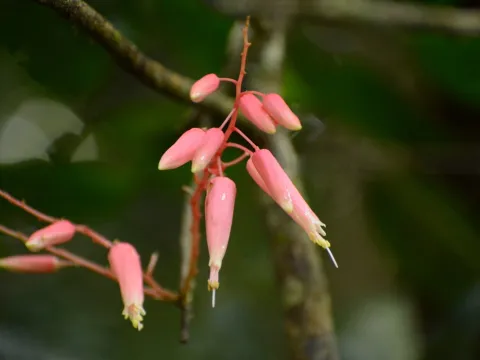
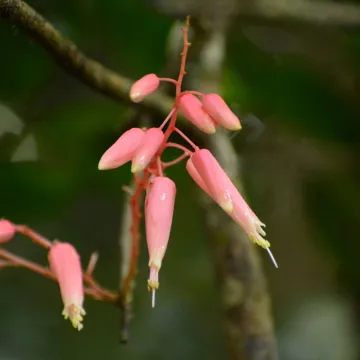
Botanically, it is characterized by pinnate leaves and vibrant red or coral-colored tubular flowers that appear in long clusters. The plant typically reaches a height of 3 to 8 meters. It is a slow-growing species, but it is notably resilient to many pests and diseases, which is a direct consequence of the bitter alkaloids present in all parts of the shrub.
Successful cultivation requires a warm, humid tropical climate with temperatures between 20°C and 30°C. It thrives in well-drained, fertile loamy soils with a slightly acidic pH. Farmers must ensure regular water availability, as the plant is not drought-tolerant. While it can grow in partial shade, optimal production usually requires good light exposure to enhance the secondary metabolite content in the wood.
Economically, Quassia amara is a highly valued component in organic agriculture. Extracts made from the wood are used as natural insecticides to control aphids, beetles, and caterpillars, effectively serving as an eco-friendly alternative to synthetic chemicals. Furthermore, the industry utilizes its properties in the production of bitters, tonic beverages, and various digestive herbal medicines.
- Excellent natural alternative to chemical pesticides.
- Safe for use in sustainable and organic farming practices.
- Requires tropical conditions for maximum growth rates.
- Minimal disease incidence due to bitter compounds.
- Important source of quassin for pharmaceutical applications.
Photo gallery