Quintinia serrata
Quintinia serrata
Description
Quintinia serrata is a species of evergreen tree or large shrub belonging to the Paracryphiaceae family. Known commonly in its native New Zealand as tawari, this plant is admired for its striking foliage and its unique ability to grow as both a terrestrial tree and an epiphyte in high-moisture forest environments.
The origin of this species is distinctly linked to the forest ecosystems of New Zealand's North Island. It thrives in temperate rainforests, often found at low to medium altitudes where the consistent humidity and mild temperatures provide the ideal microclimate for its slow and steady growth.
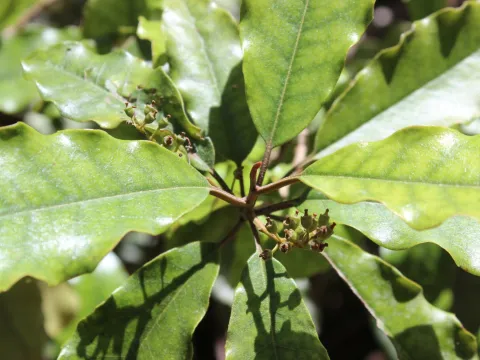
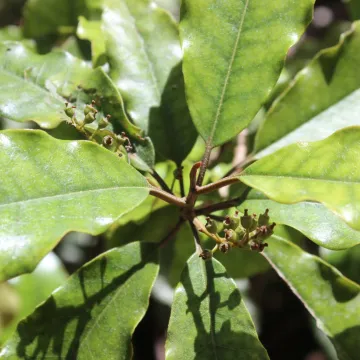
Botanically, Quintinia serrata is distinguished by its leathery, lance-shaped leaves with serrated margins, which is reflected in its scientific name. Its flowering habit involves large, erect panicles of small, fragrant white or purplish blossoms that emerge in late spring and summer, creating a dramatic visual impact.
When cultivating this species, it is essential to replicate its natural forest floor conditions. This includes planting in well-draining, acidic, humus-rich soil and providing a position that offers filtered sunlight. Regular irrigation is necessary during dry spells to maintain soil moisture, though over-saturation should be avoided to prevent root rot.
The primary use for Quintinia serrata is ornamental, often utilized in specialty gardens for its architectural form and lush evergreen canopy. Growers should monitor for common pests such as aphids or scale insects and watch for fungal infections, especially in poorly ventilated environments. Proper pruning can help maintain its shape and promote better airflow within the canopy.
Photo gallery