Radyera urens
Radyera urens
Description
Radyera urens is a perennial herbaceous plant belonging to the Malvaceae family. It is gaining interest as an alternative industrial crop, particularly valued for its potential to produce high-quality fibers that can be utilized in textile and paper industries, even in semi-arid environments where other crops struggle.
Originating from Southern Africa, this species is naturally adapted to harsh, dry conditions. Its distribution suggests a high capacity for environmental adaptation, as it thrives in regions with unpredictable rainfall patterns, making it a sustainable choice for land reclamation and low-input agricultural systems.
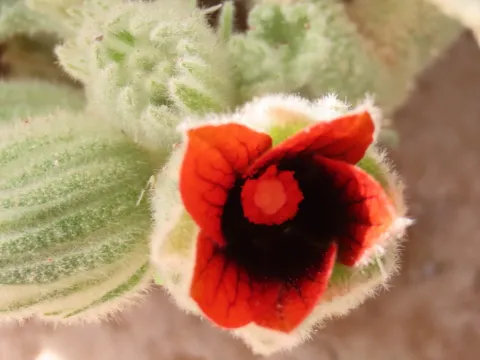
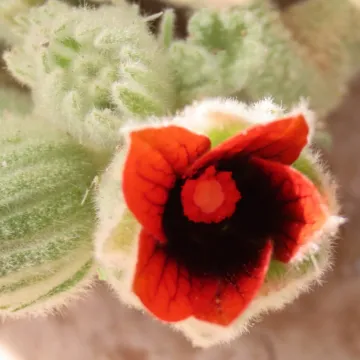
Botanically, Radyera urens is characterized by its hairy, sometimes stinging foliage and robust root system. The plant typically reaches moderate height, developing woody-based stems that support large, showy flowers typical of the hibiscus-related group. These features contribute to its drought resistance and physical endurance against local climatic stressors.
Climate and soil requirements for the successful cultivation of this species revolve around excellent drainage and high solar radiation. The plant performs best in sandy or sandy-loam soils that prevent waterlogging. In terms of agronomy, while the crop is resilient to moisture stress once established, regular irrigation during the seedling stage is critical to ensure proper development of the root network.
The primary economic value of Radyera urens lies in its stem fibers, which are durable and versatile. Besides textile fibers, the plant is being researched for its cellulose content, potentially serving as a feedstock for bio-based materials. There is also ongoing research into the phytochemical properties of its leaves and roots, which may have future applications in medicine and skincare.
Common pests and diseases affecting this crop include:
- Spider mites, which often target plants under heat stress.
- Aphids that colonize tender shoot tips and influence overall plant vigor.
- Fungal pathogens which may manifest if humidity levels are high for prolonged periods.
Photo gallery