Description
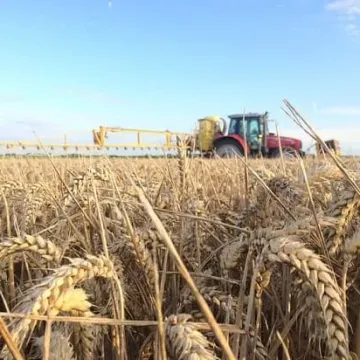
Italian ryegrass (Lolium multiflorum Lam.) is a highly productive annual forage grass belonging to the Poaceae family. It is widely recognized in modern agriculture for its rapid establishment and ability to provide multiple cuts of high-quality forage within a single growing season, making it a staple for dairy and beef operations.
Originating from the Mediterranean region and parts of Western Asia, this grass has become naturalized in temperate regions across the globe. Its adaptability to diverse environmental conditions allows it to thrive in various cropping systems, where it is frequently used as both a cover crop and a primary forage source.
The botanical structure of Italian ryegrass features a vigorous root system and erect stems that can grow significantly in height. Its leaves are distinctively dark green, glossy, and soft, which contributes to high palatability for livestock. The plant's architecture supports quick regrowth after grazing or mechanical harvesting.
To maximize yields, Italian ryegrass requires fertile, well-drained soils with a steady supply of moisture. It is particularly responsive to nitrogen fertilization, which drives its rapid biomass accumulation. Agronomic success relies on shallow seeding depth and firm seedbed preparation to ensure optimal seed-to-soil contact and rapid germination.
- Production of high-quality silage and hay.
- High-intensity grazing systems for dairy cattle.
- Cover cropping to suppress weeds and reduce soil erosion.
- Nutrient cycling within organic and conventional farm systems.
While robust, the crop is susceptible to specific pathogens such as leaf rust, stem rust, and ergot, which can impact forage quality if not managed properly. Insect pests like cereal leaf beetles and aphids can also pose a threat; therefore, regular scouting and integrated pest management practices are essential to protect the integrity of the stand.
Контент-граф
Connections · Italian ryegrass
Most often together:
Marketplace
Products · 16


Bentagran AS
Nanjing No.1 Pesticide Factory of Red Sun Group Co., Ltd.
Herbicides, Desiccants
0
0
·
983
5 offers
0.4 €за 1 л
Купить

Bazoran
Yangzhou Pioneer Chemical Co., Ltd.
Herbicides, Desiccants
0
0
·
865
9 offers
2.1 €за 1 л
Купить


Lontrel A300
ЗАТ Фірма Август, Росія.,селище Вурнари,
Herbicides, Desiccants
0
0
·
45
1 offer
124.4 €за 1 л
Купить

Lontrel 300, SL (Lontrel 300, SL)
Доу АгроСайенсіс С.А.С., Друзенхайм, Франція
Herbicides, Desiccants
0
0
·
35
2 offers
49 €за 1 л
Купить