Plantain-leaved buttercup
Ranunculus alismifolius
Description
The Plantain-leaved buttercup (Latin: Ranunculus alismifolius) is a perennial herbaceous species belonging to the family Ranunculaceae. Unlike many other buttercups, this plant is specifically adapted to riparian habitats and wet soil conditions, establishing itself as a unique ornamental plant for water-intensive gardening.
The native distribution area of this species is Western North America. It naturally occupies habitats such as stream banks, vernal pools, and moist meadows. Due to its adaptation to high soil moisture, it is categorized as a semi-aquatic plant that thrives in environments where standard garden cultivars would struggle with root rot.
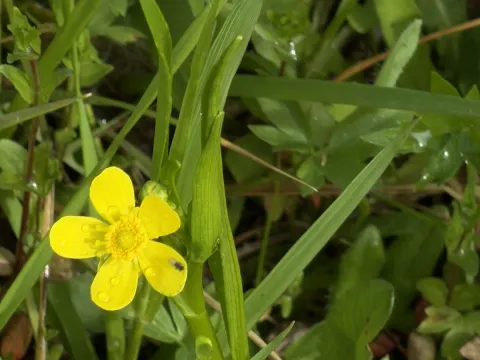
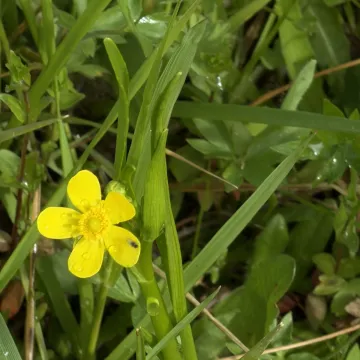
Botanically, the plant displays smooth, erect stems and elongated lanceolate leaves that closely resemble those of the Alisma genus, which explains its specific epithet. The flowers are solitary or clustered, possessing the classic yellow, shiny, cup-shaped appearance typical of the buttercup family.
Cultivation requirements for Ranunculus alismifolius focus on providing consistent moisture and fertile, loamy soil. It thrives best in full sun to partial shade. Proper maintenance involves ensuring the root zone does not dry out significantly during the peak growing season, as this can lead to plant dormancy or foliage yellowing.
In terms of agricultural and horticultural utility, it serves as a staple for bog gardens and wetland restoration projects. Its ability to tolerate saturated soils makes it ideal for stabilizing the edges of ornamental ponds. Gardeners often use it to create naturalistic landscapes that mimic wild prairie wetlands.
Typical health issues for this species include fungal leaf spots and root pathogens triggered by stagnant water in poorly aerated soils. Common pests include aphids and spider mites, which can infest the succulent foliage during dry spells. Integrated pest management and proper site selection remain the primary tools for ensuring plant health.
Photo gallery