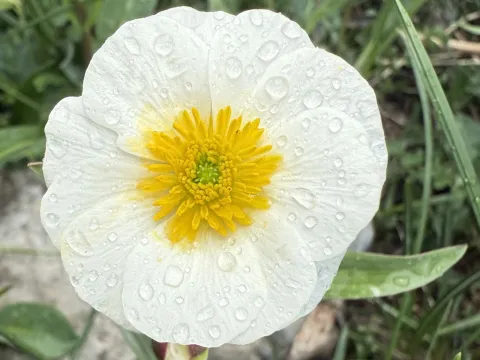
Ranunculus amplexicaulis
Ranunculus amplexicaulis
Description
Ranunculus amplexicaulis, commonly known as the mountain buttercup, is a perennial herbaceous plant belonging to the Ranunculaceae family. While many species in the Ranunculus genus are common meadow weeds, this particular species is a highly valued ornamental plant often cultivated in specialized nurseries and alpine gardens.
The plant originates from the mountainous regions of Southwestern Europe, particularly the Pyrenees. Due to its alpine heritage, it is well-adapted to cooler climates and rocky, well-drained habitats, which dictates its specific requirements when integrated into commercial or private landscaping projects.
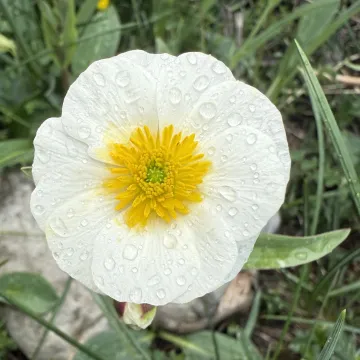
Botanically, the plant features glabrous, upright stems reaching up to 40 cm in height and distinct leaves that clasp the stem. It produces striking white, cup-shaped flowers with bright yellow centers, blooming in the late spring or early summer, providing a high visual impact in a garden setting.
Cultivation requires meticulous attention to soil conditions; the plant thrives in rich, moist, yet exceptionally well-drained soils. Poor drainage leads to root rot, which is the primary challenge in managing this species. It prefers full sun or partial shade in cooler regions to maintain its vigor and promote healthy flower production.
Standard agronomic and maintenance practices include:
- Maintaining consistent soil moisture without allowing waterlogging.
- Applying balanced organic fertilizers during the early vegetative phase.
- Mulching to protect the root system from excessive summer heat.
- Deadheading spent flowers to maintain the plant's decorative appearance.
Regarding pests and diseases, the plant is susceptible to typical Ranunculaceae pathogens such as powdery mildew and root rot caused by fungi. Monitoring for aphid infestations is recommended during periods of rapid foliage growth. Preventive measures, such as ensuring proper air circulation around the plants, remain the most effective strategy for ensuring healthy development.
Photo gallery