Narrow-leaved buttercup
Ranunculus angustifolius
Description
Narrow-leaved buttercup (Ranunculus angustifolius) is a perennial herbaceous plant belonging to the Ranunculaceae family. It is a distinct species noted for its slender foliage and specific growth habits. While often overlooked compared to ornamental hybrids, it holds significant interest for botanical collectors and specialists in naturalistic landscape design.
The species is native to mountainous and sub-alpine regions of Europe, where it flourishes in moist meadows and along stream banks. Its environmental requirements are strictly linked to its origin: the plant favors cool climates and consistently moist soil conditions. In agricultural and garden settings, it requires a location that mimics its natural habitat to thrive successfully.
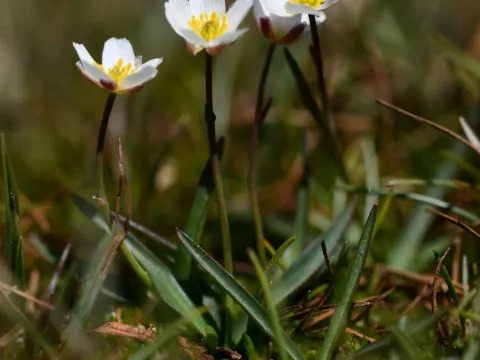
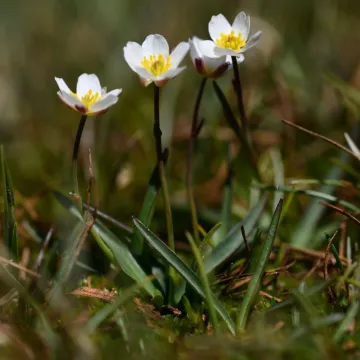
From a botanical perspective, the plant is characterized by its narrow, lance-shaped leaves, which are responsible for its scientific name. The stems are upright, and the roots are typically fibrous or rhizomatous, depending on the specific growing conditions. During the flowering stage, it produces brilliant, glossy petals typical of the buttercup family, which provide ornamental value.
Cultivation requires meticulous attention to soil management. The ideal soil should be rich in organic matter, well-draining, and maintain a neutral to slightly acidic pH. The plant does not tolerate drought, making consistent irrigation essential during the warmer months of the growing season. Proper placement in partial shade can also prevent excessive soil desiccation.
Economically, the species is primarily used for horticultural purposes, particularly in rock gardens or pond-side landscapes where moisture is abundant. Common pests include aphids and slugs, which can damage the tender leaves, while fungal pathogens like powdery mildew may arise if air circulation is inadequate. Proactive monitoring and the application of standard garden hygiene measures are vital for crop maintenance.
Photo gallery