Carolina buttercup
Ranunculus carolinianus
Description
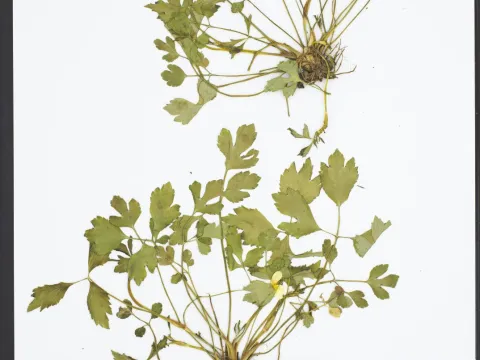
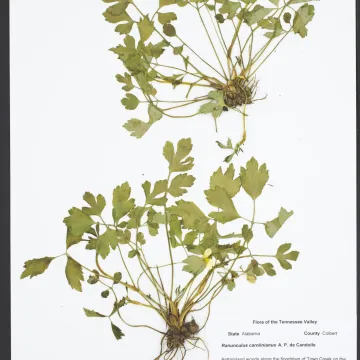
The Carolina buttercup (Ranunculus carolinianus) is a perennial herbaceous plant belonging to the Ranunculaceae family. It is a distinctive species within its genus, often recognized for its adaptability to moist environments and its specific morphological traits that distinguish it from the more common field buttercups used in larger-scale agriculture or landscaping.
Native to the eastern regions of North America, this plant is typically found in low-lying woodlands, floodplains, and damp meadows. Its distribution range is influenced by its preference for habitats with consistent moisture levels. In cultivation, it serves as a niche plant for collectors or those interested in restoring native plant habitats within specific ecological zones.
Botanically, the species features branched stems and finely divided foliage, which adds texture to the understory level of gardens. Its root system is structured to anchor the plant effectively in moist soils. The flowers are bright yellow, mirroring the classic radial symmetry of the buttercup family, and bloom in late spring, providing an early source of interest in the growing season.
Cultivation requirements involve selecting sites that offer partial shade and rich, moist, yet well-drained soil. It is critical to maintain soil moisture during the spring months, as the plant does not tolerate drought conditions well. Providing a humus-rich soil base ensures the plant receives the necessary nutrients for vigorous growth and successful perennial survival throughout the winter dormancy period.
The primary use of the Carolina buttercup is in ornamental gardening and ecological restoration projects. Like many members of its family, it requires monitoring for pests and diseases, particularly in environments with poor air circulation. Growers should remain vigilant against aphid infestations and fungal pathogens, such as mildew, by ensuring proper spacing and avoiding overhead irrigation that leaves foliage wet for extended periods.
Photo gallery