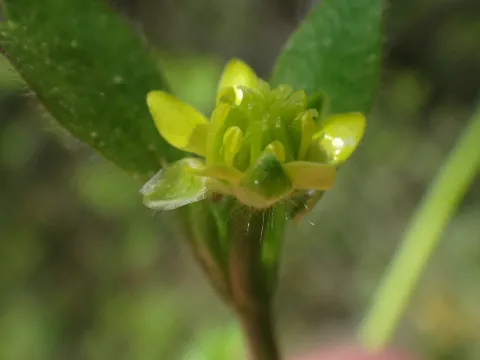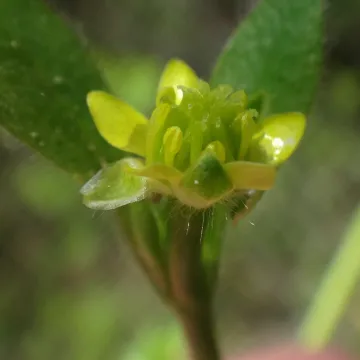
Chios buttercup
Ranunculus chius
Description
The Chios buttercup (Ranunculus chius) belongs to the diverse Ranunculaceae family. It is an annual herbaceous plant that is highly regarded for its aesthetic value in specialized gardens. As a species native to the Mediterranean basin, it has evolved specific physiological traits that allow it to thrive in regions with distinct wet and dry seasons.
Its natural range encompasses the Eastern Mediterranean, including various Greek islands and coastal regions of Turkey. These areas provide the rocky soils and Mediterranean climate that the species prefers. It typically grows in open grasslands, rocky slopes, and scrublands, where it emerges rapidly following the first spring rains.
Botanically, the species is defined by its slender, branched stems and characteristic deeply lobed leaves typical of the genus. Its flowers are notably bright yellow, blooming early in the season. This rapid developmental cycle allows the plant to complete its life stage, produce seeds, and enter dormancy before the peak heat of the Mediterranean summer arrives.
For cultivation, it requires well-drained soil with a slightly alkaline to neutral pH. Gardeners should ensure a sunny to semi-shaded location. Because it is an annual, seed sowing management is essential. Proper drainage is the most important factor in preventing root issues, as the species is sensitive to waterlogged environments that lead to rapid root rot.
- Monitor for aphids and spider mites during the growth phase.
- Ensure adequate spacing to allow for airflow and reduce fungal risks.
- Apply light mulch to maintain soil temperature in early spring.
- Water sparingly, allowing the top layer of soil to dry between applications.
The plant is relatively resistant to major pests but can suffer from powdery mildew if kept in high humidity with poor ventilation. Regular scouting for early signs of disease and the use of appropriate preventive measures will keep the plant healthy throughout its short growing season.
Photo gallery