Desert buttercup
Ranunculus eremogenes
Description
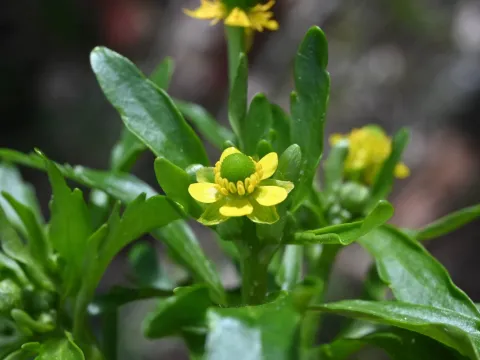
Desert buttercup (Ranunculus eremogenes) is a herbaceous plant species belonging to the Ranunculaceae family. Despite the nomenclature suggesting a desert environment, the species is essentially a hydrophyte, thriving in moist environments and wetlands, demonstrating high resilience to specific edaphic challenges.
The native range of this plant is centered in Central Asia, particularly across Mongolia and parts of China. It typically inhabits moist habitats such as lake shores, riverbanks, and marshy lowlands where high salinity levels might inhibit the growth of less specialized plant species.
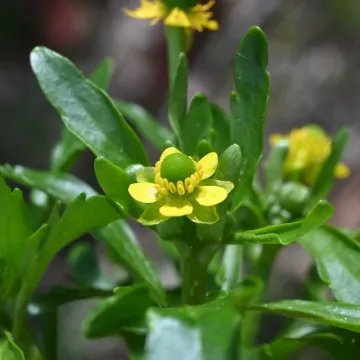
Botanically, Ranunculus eremogenes is characterized by branched stems and delicate, serrated leaves adapted for rapid nutrient intake. The small, bright yellow flowers represent the standard morphology of the Ranunculus genus, acting as essential sources for local pollinators within their specific ecosystem.
Cultivation requirements for this species are centered on soil moisture management. It is notably tolerant of saline soil conditions, which makes it a subject of interest for sustainable land restoration projects. Unlike many other crops, it does not require well-drained soil but rather constant moisture supply to maintain peak physiological performance.
Regarding agricultural utilization, the species is primarily valued for land reclamation and as a botanical indicator for high soil salinity levels. Farmers should be aware of potential threats:
- Fungal diseases like powdery mildew.
- Larval infestations by specialized beetles.
- Competitive pressure from invasive moisture-loving weeds.
Photo gallery