Grass-leaved buttercup
Ranunculus gramineus
Description
The grass-leaved buttercup (Ranunculus gramineus) is a distinctive perennial herb belonging to the Ranunculaceae family. It is distinguished from most other buttercups by its narrow, linear leaves that resemble grasses, giving the plant a refined and delicate aesthetic. This compact herbaceous perennial is highly prized in horticulture for its ability to provide vibrant color during the early spring season.
Native to the southwestern parts of Europe and regions bordering the Mediterranean, this plant has adapted to open, sunny environments such as stony meadows and rocky slopes. Its geographic range in cultivation has spread to various temperate zones, where it is utilized as a hardy ornamental plant suitable for rock gardens and well-drained border arrangements.
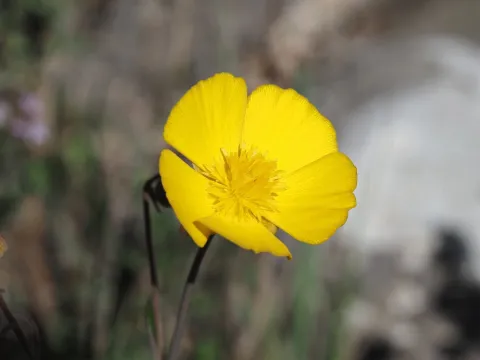
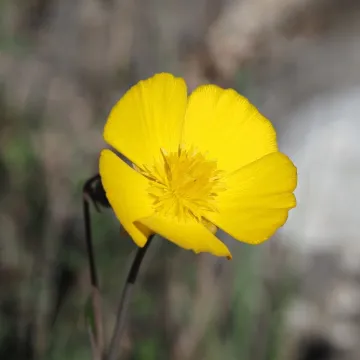
Botanically, the plant features erect, often branching stems reaching heights of 20 to 40 cm. The foliage is a distinctive glaucous-green color, maintaining a neat appearance throughout the growing season. The flowers are typically bright yellow, simple, and cup-shaped, creating a sharp contrast with the slender leaves. The root system consists of robust tubers that store nutrients, supporting vigorous regrowth after winter dormancy.
In terms of agricultural and horticultural requirements, the grass-leaved buttercup demands excellent drainage. It thrives in light, sandy, or rocky soils with a neutral to slightly alkaline pH. Excessive soil moisture, particularly during the dormant season, can be detrimental to the tubers. A sunny, open site is essential for maximum flower production and to maintain the plant's compact, natural form.
The primary use of this species is in decorative landscaping, particularly in alpine gardens or as a ground cover in sunny, well-ventilated areas. Standard plant maintenance involves minimal intervention, though thinning overgrown clumps every few years promotes better airflow and reduces the risk of diseases like powdery mildew. Vigilance for pests such as aphids is recommended during the peak of the growing season to ensure plant health.
Photo gallery