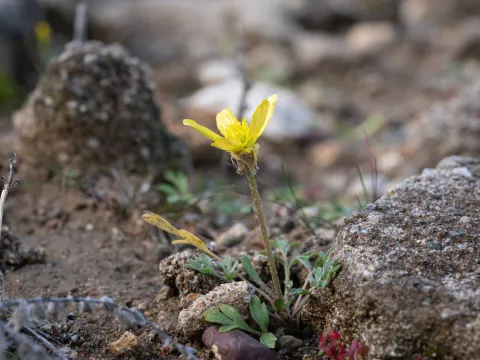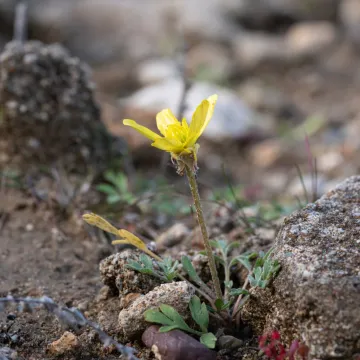
Isthmus buttercup
Ranunculus isthmicus
Description
Isthmus buttercup (Latin: Ranunculus isthmicus) is a herbaceous perennial plant belonging to the large Ranunculaceae family. While not a conventional industrial crop, it is a significant species in botanical studies and specialty gardening due to its unique biological adaptations to specific environmental niches. It represents a fascinating example of how members of this genus have evolved to survive in challenging geographical regions.
The plant originates from areas with distinct Mediterranean-like climates. Its natural distribution is linked to regions that experience seasonal moisture, allowing the plant to complete its vegetative cycle during the most favorable months. Understanding its native habitat is crucial for anyone attempting to cultivate this species, as it thrives in environments that offer specific drainage and temperature conditions.
Botanically, Ranunculus isthmicus is characterized by a specialized root system, often featuring small tubers that act as energy reserves. This adaptation is essential for surviving the dormant summer phase. The foliage is typically dissected and may have fine hairs to reduce transpiration. The flowers, while simple in structure, are noted for their botanical purity and are a key feature for identifying the species.
The agricultural requirements for this crop focus on imitating its natural environment to ensure success. Soil health is the most critical factor; it must be well-aerated and possess excellent drainage to prevent root rot, which is the primary threat to its health. Consistent moisture during the growing season is necessary, but the soil must be allowed to dry out significantly during the period of dormancy to mimic the natural drought cycles.
In terms of usage, the plant is primarily cultivated by enthusiasts and professional growers interested in rare or alpine species. Major pests include aphids and mites, which can be managed through standard integrated pest management practices. Diseases related to fungal infections are the most common concern, usually arising from poor air circulation or over-watering, making proper spacing and soil preparation the cornerstones of successful cultivation.
Photo gallery