Kuepfer's Buttercup
Ranunculus kuepferi
Description
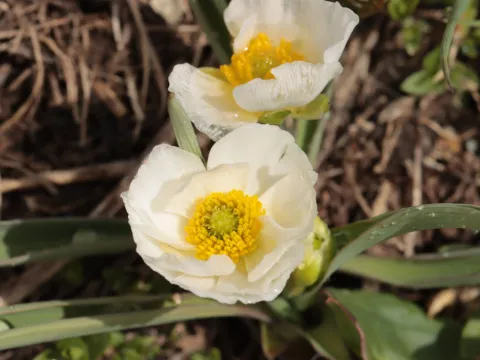
Kuepfer's Buttercup (Ranunculus kuepferi) is a perennial herbaceous plant belonging to the Ranunculaceae family. It is a specialized alpine species native to the mountain ranges of Europe, including the Alps and the Pyrenees. This plant is well-adapted to high-altitude environments where it thrives in rocky habitats and alpine meadows, showing remarkable resilience to harsh cold.
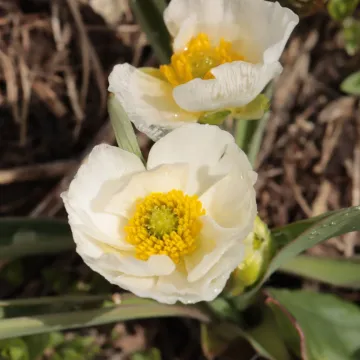
Botanically, Ranunculus kuepferi is characterized by its compact habit, featuring a basal rosette of leaves and short scapes bearing solitary white or pinkish-tinged flowers. The root system is specifically evolved to anchor the plant in unstable scree slopes. Its life cycle is perfectly timed to the short alpine summer, during which the plant rapidly completes its flowering and seeding phases.
In terms of climate requirements, this culture demands cool, alpine-like conditions. It struggles in low-altitude gardens with hot, humid summers, requiring a location that offers high light intensity but cool ambient temperatures. Providing adequate air circulation and protecting the plant from heat stress are the most critical factors for its successful long-term cultivation.
The soil profile for Ranunculus kuepferi must mimic its native substrate. It requires highly porous, gritty, and well-drained soil that does not retain excess moisture. Standard horticultural compost is often insufficient; therefore, mixing in significant amounts of gravel or crushed stone is necessary to ensure the plant's health and prevent root rot, which is a major agricultural risk for this species.
Regarding хозяйственное usage, the plant is primarily cultivated by enthusiasts of alpine rock gardens and botanical gardens. It is rarely found in general commercial agriculture but holds value for niche ornamental nurseries. Potential pests include soil-borne nematodes and aphids, while common diseases are typically limited to fungal infections caused by overwatering or poor drainage management.
Photo gallery