Adderstongue spearwort
Ranunculus ophioglossifolius
Description
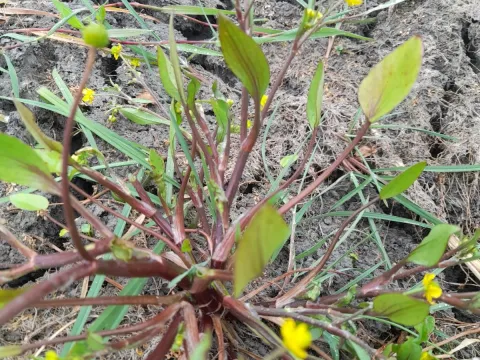
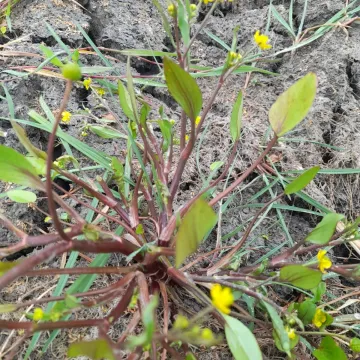
Adderstongue spearwort, scientifically known as Ranunculus ophioglossifolius, is a rare annual plant species belonging to the Ranunculaceae family. It is distinct from other buttercups due to its unique leaf morphology, which resembles that of the adderstongue fern. This plant is primarily recognized for its specific habitat preferences, often occupying specialized ecological niches.
The plant originates from the Mediterranean region, Western Europe, and Northern Africa. It thrives in ephemeral wetlands, muddy banks, and periodically flooded meadows. Due to its natural habitat fragmentation, the species is often subject to conservation efforts, and its agricultural cultivation is largely limited to botanical research and specialized ornamental pond management.
Botanically, the plant features an erect, branching stem that can reach heights of up to 40 centimeters. Its root system is fibrous and shallow, optimized for extracting nutrients from saturated substrates. The flowers are small, pale yellow, and typical of the Ranunculus genus. The plant reproduces via seeds, which are highly adapted for water-mediated dispersal in its native wetland environments.
Cultivation requirements involve maintaining high moisture levels and a temperate climate. The substrate should be a nutrient-rich, neutral-to-acidic soil mix that mimics the alluvial conditions of its natural habitat. Proper lighting is crucial for development, although the plant can tolerate partial shade if the soil remains constantly moist. Over-drying is the primary limiting factor for successful growth in artificial environments.
In terms of economic and practical use, the species is valued in restoration ecology and decorative water feature design. Typical pests include aphids and slugs, which feed on the succulent foliage. Common diseases, such as downy mildew or root rot, are often exacerbated by poor ventilation or contaminated water sources. Integrated pest management strategies are recommended to maintain healthy populations.
Photo gallery