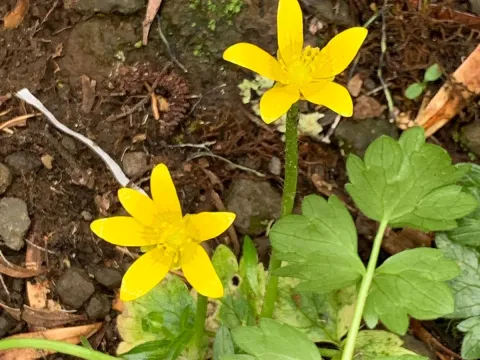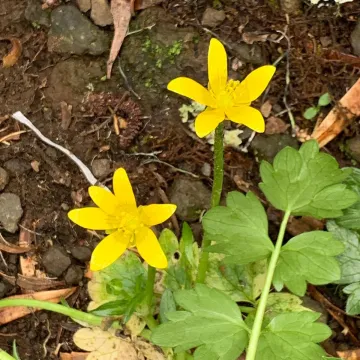
Mountain buttercup
Ranunculus oreophytus
Description
Mountain buttercup (Ranunculus oreophytus) is a perennial herbaceous plant belonging to the Ranunculaceae family. This species is highly specialized for high-altitude ecosystems, exhibiting distinct morphological adaptations that make it both a scientific interest and a prized specimen for alpine gardening.
Originating from the high-altitude afro-alpine zones, this plant is naturally found in mountain regions such as the Ethiopian highlands. Its native habitat is characterized by thin air, high solar radiation, and significant temperature fluctuations, which the plant has adapted to through its compact growth form and efficient nutrient storage.
Botanically, the plant features a basal rosette of dissected leaves and small, vibrant flowers. Its root system is designed to anchor the plant in rocky or stony soils, providing stability and allowing for the absorption of water from melting snow or periodic rainfall, which is vital for its survival during the brief growing season.
In terms of cultivation, this species requires specialized care. The soil must be highly porous and well-draining, similar to the scree or volcanic soils of its origin. A neutral to slightly acidic pH is generally preferred. Overwatering must be strictly avoided, as the plant is prone to root rot if moisture lingers in the root zone for extended periods.
The primary use of Ranunculus oreophytus is ornamental, specifically within the context of rock gardens or specialized alpine greenhouses. It is not a broad-acre agricultural crop; instead, its value lies in its rarity and its potential in niche landscaping or botanical research regarding mountain flora resilience. Pests such as aphids or spider mites can occasionally affect the plant in greenhouse settings.
- Excellent drainage is a primary requirement.
- Cool temperature maintenance is crucial.
- Bright, indirect light promotes healthy development.
- Susceptibility to moisture-related diseases in humid conditions.
Photo gallery