Stream water-crowfoot
Ranunculus penicillatus
Description
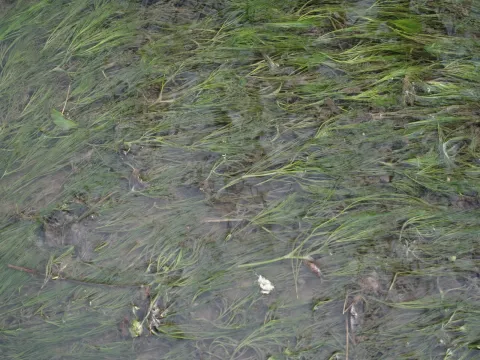
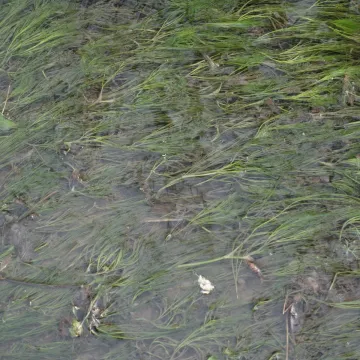
Stream water-crowfoot (Ranunculus penicillatus) is a perennial aquatic plant belonging to the Ranunculaceae family. Unlike its terrestrial counterparts, this species is specifically adapted to life in flowing water, thriving in rivers and streams where it is fully submerged.
Botanically, the plant is characterized by long, flexible stems and leaves that are finely divided into hair-like segments. This specialized morphology is an evolutionary adaptation that reduces drag in fast-flowing water, allowing the plant to survive in strong currents without sustaining mechanical damage.
The distribution of this species spans across Europe, primarily in regions with clear, well-oxygenated water. It prefers habitats with sandy or gravel substrates. Due to its specific environmental needs, it is considered a sensitive species that reacts strongly to changes in water quality, often serving as a biological indicator of clean aquatic ecosystems.
From an agricultural and environmental management perspective, the plant is valued for its role in river restoration projects and natural water filtration. While not a commercial crop, its presence is crucial for maintaining the biodiversity of riverbanks, providing essential habitats for aquatic insects, crustaceans, and various fish species during their spawning seasons.
Typical challenges for this species include water pollution, excessive nutrient enrichment (eutrophication), and the impact of invasive aquatic pests. Maintaining healthy populations requires strict monitoring of water chemistry and protection against anthropogenic disturbances such as dredging or chemical runoff from nearby agricultural fields.
Photo gallery