Multiflowered buttercup
Ranunculus polyanthemos
Description
The multiflowered buttercup (Ranunculus polyanthemos) is a perennial herbaceous plant belonging to the Ranunculaceae family. It is widely recognized in temperate regions for its bright yellow flowers and is a common inhabitant of natural meadows, woodlands, and grassy field margins across Europe and parts of Asia.
The species is native to a broad range of Eurasian habitats. In an agricultural context, it is typically categorized as a naturalized component of permanent grasslands. Its distribution is closely linked to soil moisture levels and the maintenance of traditional land management practices, such as seasonal grazing and mowing.
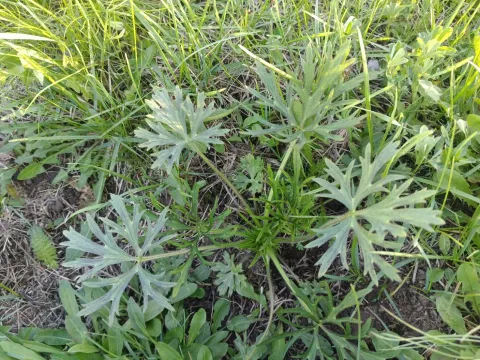
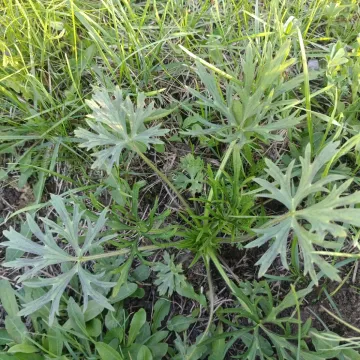
Botanically, Ranunculus polyanthemos is characterized by a branched stem and deeply divided basal leaves. It grows to an average height of 30 to 80 centimeters. The plant produces a robust root system, which allows it to persist through varying seasonal weather conditions and compete effectively with other meadow vegetation.
Regarding cultivation and environment, the multiflowered buttercup thrives in moist, well-drained soils with neutral or slightly acidic pH levels. It is remarkably resilient to low temperatures. Agronomic control is generally unnecessary unless the plant dominates pastures to the detriment of nutritious forage grasses, in which case regular mowing and soil drainage improvements are standard management strategies.
The economic impact of the species is primarily negative due to the presence of protoanemonin, a toxin that makes the plant unpalatable and potentially harmful to livestock when consumed fresh. However, these toxins are volatile and degrade during the hay-drying process, which effectively eliminates the health risk for cattle during winter feeding.
- Highly efficient insect pollination via diverse floral visitors.
- Seeds can remain viable in the soil for extended periods.
- Considered an indicator of meadow biodiversity in some ecological surveys.
Photo gallery