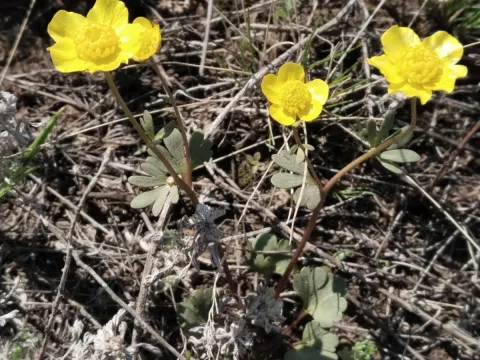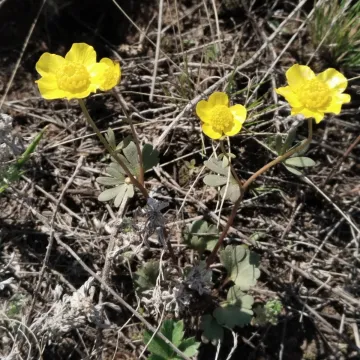
Many-rooted buttercup
Ranunculus polyrhizos
Description
The Many-rooted buttercup (Ranunculus polyrhizos) is a perennial herbaceous plant belonging to the Ranunculaceae family. In agronomic and botanical studies, this species is noted for its high adaptation to continental climates, serving as a component of natural pasture ecosystems and being a subject of interest for forage potential in arid environments.
The plant originates from the steppe and forest-steppe zones of Eurasia, primarily found in regions across Central Asia and Siberia. Its natural habitat includes rocky slopes and grasslands where moisture is often seasonal. The species has evolved to thrive in environments with significant temperature fluctuations, allowing it to survive extreme winter frosts and summer droughts through its specialized root system.
From a botanical perspective, the plant is characterized by a unique root structure consisting of a cluster of thickened, fleshy roots, which facilitate energy storage. The foliage is primarily basal, and the plant produces bright yellow flowers in early spring. This growth pattern allows the plant to complete its reproductive cycle during the short window when soil moisture is still sufficient for active development.
Agricultural requirements for Ranunculus polyrhizos involve well-drained, neutral to slightly alkaline soils. It is highly intolerant of waterlogging, which can quickly lead to root rot. Successful cultivation requires careful site selection, avoiding areas prone to water accumulation. Because it is a drought-tolerant species, irrigation should be carefully managed to avoid disturbing its natural dormancy cycles.
The economic value of this crop is primarily related to its presence in wild forage. While fresh plants contain toxic compounds (protoanemonin) that can be harmful to livestock, these toxins dissipate significantly during the hay-making process, making the dried biomass safe for animal consumption. Common plant health issues include:
- Powdery mildew under high humidity conditions
- Aphid infestations during the early growth stage
- Root rot caused by poor soil drainage
Photo gallery