Pygmy buttercup
Ranunculus pygmaeus
Description
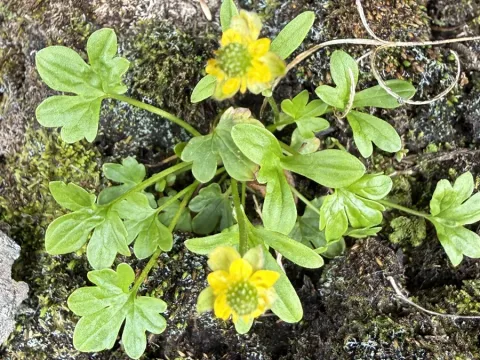
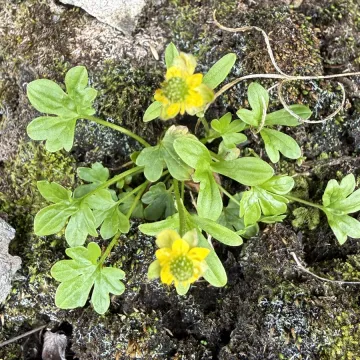
The pygmy buttercup (Ranunculus pygmaeus) is a small perennial herbaceous plant belonging to the Ranunculaceae family. It is a specialized botanical species known primarily for its survival adaptations to harsh northern climates. While not a conventional agricultural crop for food production, it is highly regarded in the field of horticulture for rock gardens and specialized cold-climate landscaping.
This species is native to the arctic and alpine regions of the Northern Hemisphere, including the high-altitude areas of North America, Europe, and Asia. It naturally thrives in mineral-rich, moist soils near glaciers or snowfields, areas where other flora struggle to establish due to the brief growing season and low thermal accumulation.
Botanically, the plant is characterized by its miniature size, rarely exceeding 10 centimeters in height. Its leaves grow in a basal rosette, and it produces small, iconic yellow flowers that bloom briefly during the arctic summer. The root structure is fibrous and shallow, adapted to drawing nutrients from thin, rocky soils that do not retain water for long periods.
Agricultural and horticultural requirements focus on mimicking its native high-latitude environment. Success depends on providing consistently cool temperatures and moist, well-drained soil. In cultivation, it requires excellent air circulation to prevent overheating and fungal development. It is poorly suited for hot, arid climates, making it an exclusive plant for gardeners in cool-temperate or arctic regions.
Host-plant uses are largely restricted to specialty decorative displays. Maintenance involves monitoring for common issues such as root rot caused by poor drainage and infestations of aphids or spider mites, which can be particularly damaging in controlled environments like greenhouses or sheltered rock gardens. Regular inspection and maintaining the correct temperature balance are the pillars of success for this rare culture.
Photo gallery