Quelpaert buttercup
Ranunculus quelpaertensis
Description
The Quelpaert buttercup (Ranunculus quelpaertensis) is a herbaceous perennial plant belonging to the large Ranunculaceae family. It is a distinct species known for its specific ecological adaptation and ornamental value, often found in specialized botanical collections and naturalistic landscapes.
This species is native to East Asia, with a primary range covering the Korean Peninsula and surrounding islands. It typically thrives in regions with temperate climates, preferring habitats like moist meadows, forest clearings, and riparian zones. Its natural distribution gives clear clues about its preferred growing conditions in a horticultural setting.
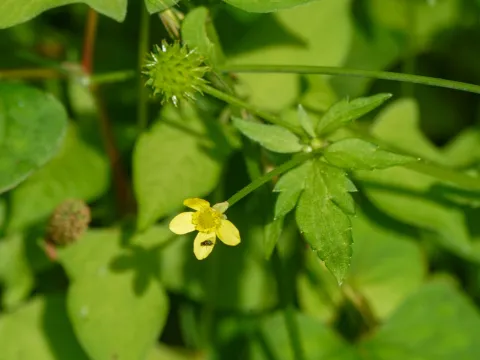
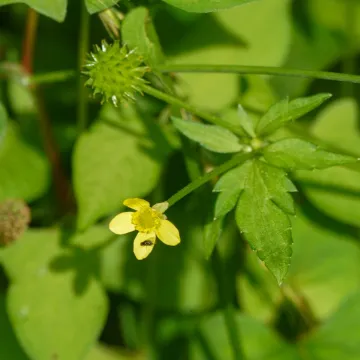
Botanically, Ranunculus quelpaertensis is characterized by a basal rosette of leaves and slender stems that support bright, glossy yellow flowers. The plant's root system is adapted for efficient nutrient absorption in damp, fertile soils. During the growing season, it shows steady development, culminating in a period of active blooming.
Successful cultivation of this buttercup requires fertile, well-drained loamy soils. It thrives best in partial shade, as intense direct sunlight during the summer can dehydrate the foliage. Proper maintenance involves regular watering during dry spells and the application of balanced organic fertilizers to support healthy leaf development and flowering.
In terms of agricultural and horticultural use, the Quelpaert buttercup is primarily utilized for ornamental purposes. It is well-suited for woodland gardens, damp border areas, and naturalized planting schemes. Its aesthetic appeal lies in its simple yet vibrant flower structure and its ability to fill gaps in shaded garden spots.
Growers should remain vigilant against common horticultural pests and pathogens that may affect the plant's health:
- Powdery mildew which develops in humid, stagnant air conditions.
- Root rot associated with excessive soil moisture and poor drainage.
- Aphids that cluster on tender new shoots and flower buds.
- Spider mites that can infest the foliage during periods of low humidity.
Photo gallery