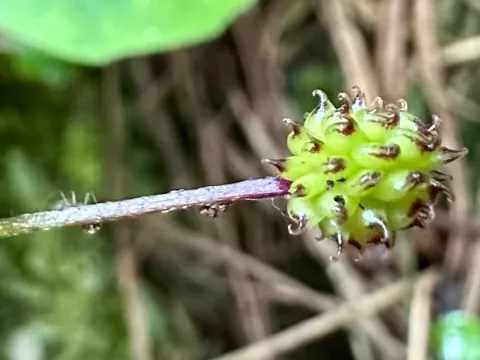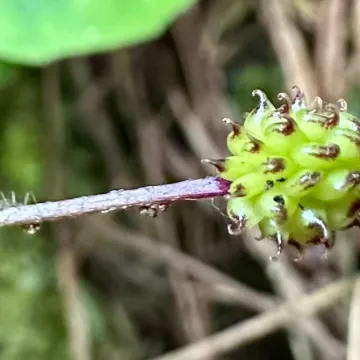
Hairy buttercup
Ranunculus reflexus
Description
Hairy buttercup (Ranunculus reflexus) is a perennial herbaceous plant belonging to the Ranunculaceae family. Known for its distinct botanical structure, the plant derives its scientific name from the reflexed sepals that remain visible beneath the yellow petals, serving as a key diagnostic feature for the species.
The plant is native primarily to New Zealand and its surrounding regions. It has adapted to thrive in moist forest margins, riparian zones, and meadow ecosystems. Understanding its natural habitat is crucial for successful cultivation, as it requires stable environmental conditions to mirror its native climate.
Botanically, Ranunculus reflexus exhibits a robust structure with basal rosettes of deeply divided leaves and multiple branched flowering stems. The plant is equipped with mechanisms to persist through varying seasons, making it a reliable perennial if provided with adequate space and appropriate light exposure throughout its growth cycle.
For cultivation, this crop demands fertile, well-draining soils with high organic content. While it enjoys a degree of moisture, waterlogging must be avoided to prevent root rot. Standard agronomic practices should focus on maintaining steady moisture levels and applying balanced liquid fertilizers during the spring growth phase to promote vegetative vigor.
Regarding its utility, the species is mainly utilized in horticultural projects and experimental botanical collections. Producers must remain vigilant about common threats to ensure crop health:
- Prevention of powdery mildew through improved ventilation.
- Monitoring for aphids and spider mites during dry spells.
- Implementation of weed control measures in the early establishment phase.
Photo gallery