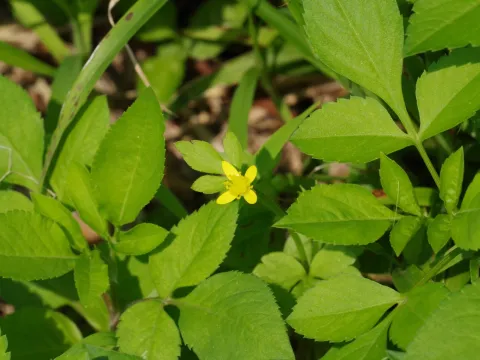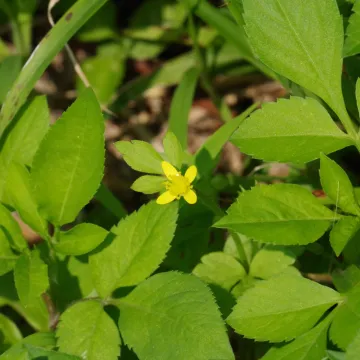
Siebold's buttercup
Ranunculus sieboldii
Description
Siebold's buttercup (Latin: Ranunculus sieboldii) is a herbaceous perennial flowering plant belonging to the Ranunculaceae family. Known for its distinct growth habit, this species is highly regarded in horticultural circles for its aesthetic appeal and its requirements for specific environmental conditions to thrive.
The plant originates from East Asia, primarily documented in parts of Japan and China. Within its native habitat, it favors moisture-rich, temperate environments such as forest edges and riparian zones. In cultivation, it requires regions that mimic these conditions, avoiding areas with extreme temperature fluctuations or harsh, arid weather during its active growing season.
Botanically, Ranunculus sieboldii is characterized by a fibrous root system that can occasionally develop tuberous structures. The foliage is typically compound or deeply lobed, giving the plant a delicate texture. Its flowers are prominent, generally exhibiting vibrant yellow hues that appear during the spring and early summer, serving as an indicator of the plant's health and vigor.
Successful cultivation of this species requires well-draining, nutrient-rich soil with an slightly acidic to neutral balance. Moisture management is critical; the soil should remain consistently damp but never waterlogged. As an agronomic practice, providing semi-shaded conditions will help prevent leaf scorch and ensure the plant maintains its lush foliage throughout the peak heat of summer.
The primary use of Ranunculus sieboldii is in landscape architecture, particularly for woodland gardens and damp meadow planting. Maintaining the health of these plants requires monitoring for common issues, including:
- Powdery mildew under high-humidity conditions.
- Root rot caused by poor soil drainage.
- Infestations of aphids or spider mites during dry spells.
Photo gallery