Ranunculus silerifolius
Ranunculus silerifolius
Description
Ranunculus silerifolius is a perennial herbaceous plant belonging to the Ranunculaceae family. Within agricultural systems, this species is recognized as a wild plant that populates natural grasslands, meadows, and riparian zones, where it plays a specific role in local biodiversity and ecosystem dynamics.
The plant is native to East Asia, exhibiting high adaptability to temperate climates with sufficient moisture. It typically thrives in regions with seasonal rainfall patterns, favoring fertile, loamy soils that maintain adequate moisture levels throughout the growing season, such as forest edges or damp valley bottoms.
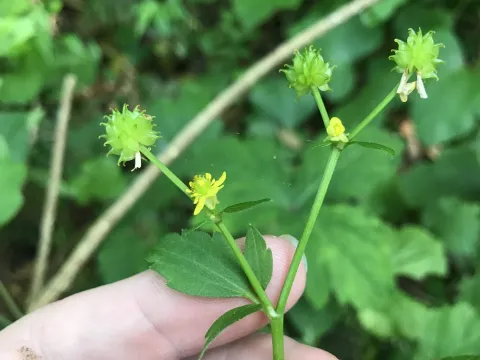
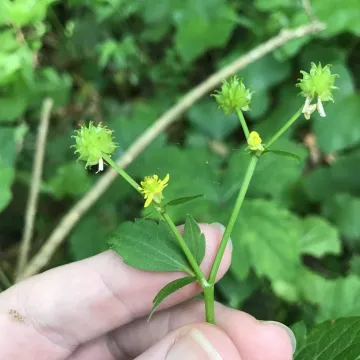
Botanically, this buttercup features a distinct rosette of dissected leaves and branching stems. Its morphology is adapted for effective competition in dense herbaceous stands. The yellow, five-petaled flowers are characteristic of the genus and serve as a vital resource for pollinators during the spring and early summer flowering period.
Regarding agronomic requirements, the species is not typically cultivated commercially but is often monitored in pasture management. It prefers stable, moist environments and can be sensitive to prolonged drought or significant soil compaction. In high-intensity agricultural landscapes, effective pasture management usually involves maintaining proper water drainage to optimize the balance of species in the forage.
From a utilization perspective, the plant is generally avoided by livestock in its fresh state due to the presence of protoanemonin, which can cause irritation. While drying the forage into hay reduces these compounds, the presence of Ranunculus silerifolius is often kept in check on managed pastures to ensure the highest quality and safety of the harvested forage.
- Family: Ranunculaceae
- Growth Habit: Perennial herb
- Soil Preference: Moist and fertile
- Ecological Status: Native meadow component
Photo gallery