Thora buttercup
Ranunculus thora
Description
Thora buttercup (Ranunculus thora) is a perennial herbaceous plant belonging to the Ranunculaceae family. In horticultural practice, it is recognized as a specialized alpine species that requires specific environmental conditions to maintain its health and unique growth patterns.
The plant originates from the mountainous regions of Central and Southern Europe, particularly within the limestone areas of the Alps and the Pyrenees. Its natural distribution is restricted to rocky crevices, stony meadows, and high-altitude screes where soil drainage is exceptional and mineral content is high.
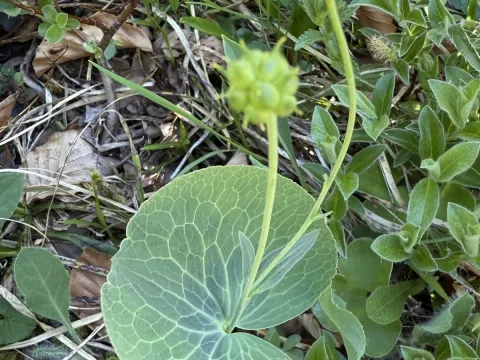
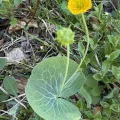
Botanically, Ranunculus thora is distinguished by its robust, fleshy rhizome and kidney-shaped, often mottled leaves. The flowering stems are typically short, bearing pale yellow flowers that appear early in the season. This structural adaptation allows the plant to complete its reproductive cycle quickly in the brief alpine summer.
Cultivation requirements focus on mimicry of its natural habitat. It demands a gritty, alkaline, or neutral soil mix with excellent drainage. In a garden setting, it thrives in rock gardens or alpine troughs. Proper irrigation is critical: it requires consistent moisture during the spring growth phase, but the roots must be kept dry during the dormant summer period to prevent physiological stress.
While primarily of interest to alpine plant enthusiasts and collectors, the species is not used in broad-acre agriculture. Successful cultivation requires strict pest and disease management:
- Root rot caused by stagnant water is the primary cause of failure.
- Fungal pathogens can affect leaves in high-humidity, low-airflow environments.
- Slug and snail damage represents a significant threat to tender new shoots in early spring.
Photo gallery