Villars' buttercup
Ranunculus villarsii
Description
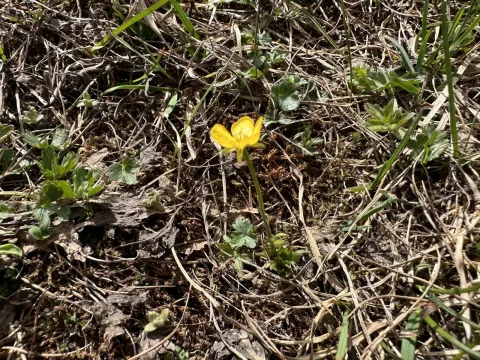
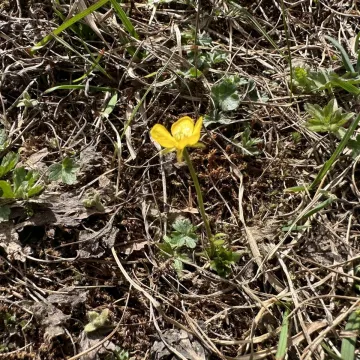
Ranunculus villarsii, known as Villars' buttercup, is a herbaceous perennial belonging to the Ranunculaceae family. Native to the mountain ranges of Europe, including the Alps, this species thrives in subalpine and alpine zones, making it an excellent candidate for specialized rock garden cultivation.
The plant features finely divided basal leaves and erect stems that produce bright yellow, cup-shaped flowers. Its botanical structure is adapted to harsh mountain climates, characterized by compact growth and deep root systems that allow it to withstand significant temperature fluctuations and wind exposure.
Optimal growing conditions require a well-draining, gritty soil medium that mimics the rocky scree of its natural habitat. The species demands a site with full sun exposure, although in hotter climate zones, it benefits from light afternoon shade to prevent excessive drying of the root zone and leaf scorching.
Agricultural management for this species focuses on moisture control. While it requires consistent watering during the growing season, soil aeration is paramount to prevent root rot. Propagation is typically achieved via seed sowing in early spring or careful division of established clumps, provided the plant is in a dormant state.
Ranunculus villarsii is primarily utilized in ornamental horticulture for rockeries and alpine troughs. While generally robust, it can be susceptible to common pests such as aphids or fungal issues if air circulation is poor. Proper garden hygiene, including the removal of dead foliage, is essential for maintaining plant vigor.
Photo gallery